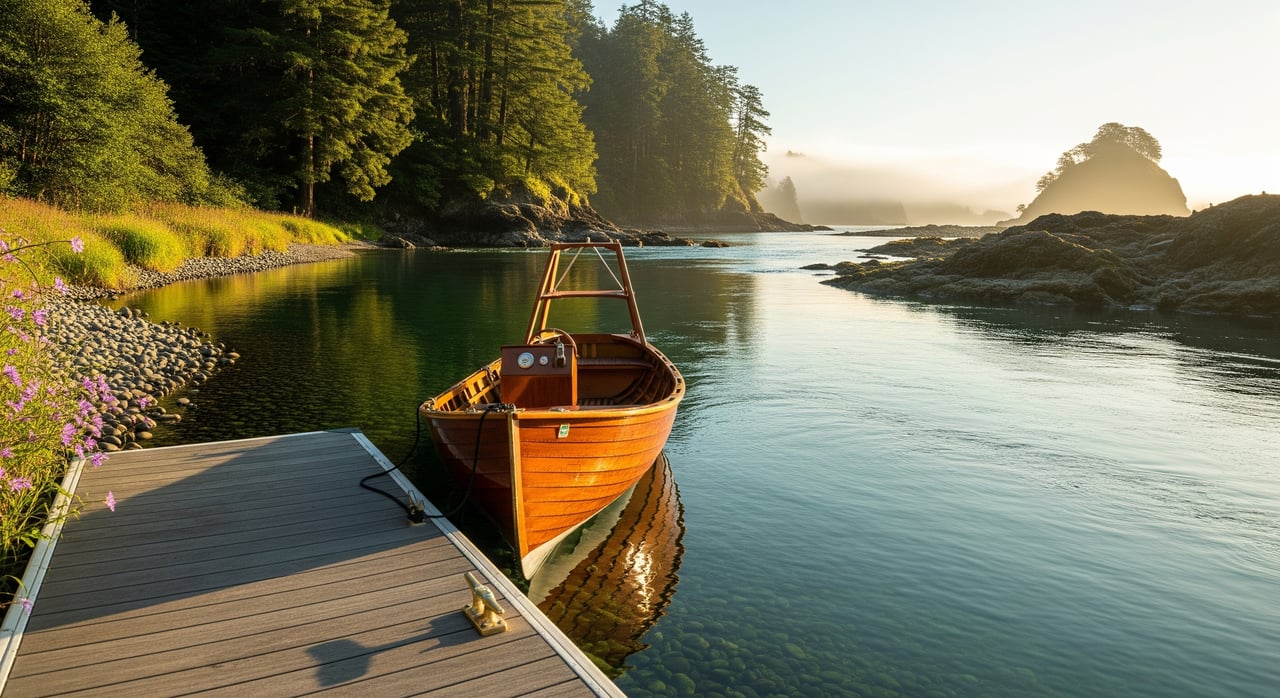
What if your weekend plans were as simple as grabbing a picnic basket, checking the flows, and slipping down to a clear, cold river five minutes from home? If you live in or near Smith River, that can be your reality. You want to know where to go, how to stay safe, and what to expect through the seasons. This guide gives you practical access points, paddling and fishing basics, nearby services, and planning tips so you can enjoy the Smith River with confidence. Let’s dive in.
Why the Smith River stands out
The Smith River is one of California’s rare free‑flowing coastal rivers, known for exceptional water quality and strong salmon and steelhead runs. It winds through forested lands and protected redwood groves in Del Norte County before meeting the Pacific near the small community of Smith River and Crescent City. Recreation ranges from shoreline fishing and family picnics to drift-boat angling and summer paddling on calmer stretches.
You will find large parklands and lots of primitive pullouts rather than big marinas. Many spots feel wild and quiet, which is part of the appeal. That also means you should plan ahead for parking, limited cell service, and seasonal road conditions.
Where to access the river
State parks near the water
Jedediah Smith Redwoods State Park sits along parts of the river corridor and offers trails, picnic areas, and campgrounds close to the water in select places. Popular groves such as Stout Grove and scenic drives like Howland Hill Road put you right in the redwoods. Day-use and campground fees and reservation rules apply. Check current park notices before you go.
Smith River National Recreation Area
On U.S. Forest Service lands, you will find roadside pullouts, trailheads, and primitive access along upper reaches. These spots are great for quiet walks, dispersed river viewing, and careful launches of car-top craft in the right conditions. Services are limited, and road conditions change with weather. Confirm access and any seasonal closures with the Forest Service.
River mouth and beaches
Where the river meets the ocean near the community of Smith River, you can access beaches and shoreline for walking, birdwatching, and tidal or shore fishing. Parking is generally off US‑101 near the mouth area. The ocean surf and river bars can be hazardous, so observe conditions carefully. Small, shallow craft launches may be possible only when tides and surf allow and with local knowledge.
Informal launches and pullouts
Along lower stretches, look for gravel pullouts and low-impact car-top launch spots used by kayakers, canoeists, and drift-boat anglers. Infrastructure is minimal and spots can fill on busy days. Always respect private property and use marked public access points.
Boating and paddling basics
What craft work well
Common craft include kayaks, inflatable kayaks, canoes, and drift boats for fishing. Small rafts are typical in season on suitable sections. Powered boats are not practical on many river reaches, though some calm lower pools and near-mouth areas can be navigable for small motors where legal. Channels shift, sandbars move, and ocean conditions change quickly, so local knowledge matters.
River difficulty and hazards
Flows change fast with rain, especially in fall and winter. Summer flows are lower but the water is still cold. Expect submerged wood, strainers, bouldery chutes, and braided sections in forested areas. Near the mouth, surf and rip currents add risk. If you are new to moving water, hire a licensed guide or join experienced paddlers before attempting tougher segments.
Safety gear and legal basics
- Life jackets are required for everyone in the boat and should be worn at all times.
- Operators of motorized boats need to meet California registration rules. California also requires a California Boater Card for many operators of motorized vessels. Check current requirements before launching.
- Pack a whistle, throw rope, first aid kit, dry bags, and a pump or bailer for open boats. A communication device and printed or offline maps are smart backups where cell service is limited.
When to consider a guide
Guided drift trips, shuttles, and rental options operate in the Smith River and Crescent City area. For whitewater or drift-boat fishing, a guide provides safety gear, the right boats, and local knowledge that shortens your learning curve.
Fishing the Smith River
Species and seasons
Anglers prize the Smith for salmon and steelhead. Salmon runs typically peak in many coastal rivers during fall, while steelhead often arrive in winter and spring. Some years see summer steelhead as well. Timing varies by year and conditions, so plan around current reports and regulations.
Regulations and stewardship
- A valid California fishing license is required for anglers 16 and older. Some species may require additional report cards or tags.
- Seasons, bag limits, size limits, and gear rules change and can differ by river section. There may be catch-and-release rules or closures to protect sensitive species.
- Practice good fish handling and avoid damaging banks or riparian areas. Wet your hands before handling fish and keep them in the water when possible if releasing.
Newcomer tips
Shore anglers often focus on lower river areas, confluences, and tailouts when runs are in. Drift-boat anglers reach more productive water and often team up with guides during peak seasons. Always check the latest freshwater sport fishing regulations and any emergency notices before you head out.
Nearby amenities and planning
Service centers
The small community of Smith River has limited services like fuel, convenience items, and lodging options. Crescent City is the main hub for Del Norte County and offers larger groceries, gas, medical services, hardware, and some marine supplies. Seasonal businesses may have limited hours, so stock up before heading upriver.
Medical and emergency
County emergency services coordinate with state and federal agencies for land and water incidents. Know local emergency numbers and the location of the nearest hospital in Crescent City. In major events, transfers to larger regional hospitals may occur. Share your itinerary with a friend when you head to remote stretches.
Connectivity and utilities
Expect patchy cell coverage along much of the river corridor. Service is stronger near US‑101 and town centers. Download maps for offline use and consider a satellite messenger if you spend time in remote areas.
Lodging, camping, and day use
You will find small inns and motels in Smith River and Crescent City, plus private riverfront cabins and campgrounds in the area. Jedediah Smith Redwoods State Park offers campground options, and dispersed camping may be allowed on some U.S. Forest Service lands with rules. Campfires and seasonal restrictions vary. Check current guidance before you plan overnight stays.
Parking, permits, and pets
Day-use and camping fees apply in state parks. Federal pullouts may be free but have limited facilities. Many parks restrict dogs on certain trails and beaches. Review posted rules for each site you visit.
Seasons at a glance
- Spring: Rising flows from winter rains and higher-elevation snowmelt. Steelhead opportunities can increase. Be ready for variable weather.
- Summer: Lower flows and warmer air make it the best time for casual kayaking, family floats, and swimming in protected pools. Water remains cold, and parking can be limited at popular spots.
- Fall: Salmon runs often peak and angling pressure rises. Cooler air and changing flows require careful planning.
- Winter: High, swift water and storms make many activities unsafe. Expect road or trail closures during large weather events.
Safety checklist for residents and guests
- Tell a contact your plan, with put-in and take-out locations and timing.
- Check current river flows and weather or surf forecasts before every trip.
- Wear a properly fitted PFD and bring cold-water layers or a wetsuit or drysuit when appropriate.
- Pack a first aid kit, whistle, throw rope, repair items, and spare paddles or pump.
- Respect posted closures and habitat protections, especially around spawning areas.
Everyday life and weekend ideas
- Morning: Walk a redwood trail at Stout Grove, grab coffee in town, and stop for birdwatching at a river pullout.
- Afternoon: In summer, enjoy a gentle family float or kayak session and picnic on a gravel bar or at the beach near the mouth.
- Weekend: Book a guided drift-boat trip for salmon or steelhead in season, camp under the redwoods, and wrap up with dinner in Crescent City.
- Keep on hand: Fishing license, life jackets for all ages, printed or offline maps, layered clothing for cold water, and a well-stocked vehicle kit.
Thinking about living near the Smith River?
If you are weighing a move to Smith River or Crescent City, you will enjoy a rare mix of wild scenery, year-round outdoor options, and small-town convenience. With thoughtful planning and local know-how, you can make the most of a river lifestyle while staying safe and prepared through the seasons. For guidance on neighborhoods, riverfront considerations, and property options, connect with the Green Pacific Real Estate Team. We know the river and the market, and we are here to make your home search stress-free.
FAQs
Is life near the Smith River considered remote?
- It ranges from rural-suburban near US‑101 to very quiet, forested stretches upriver. Services are limited in many areas, with Crescent City as the main hub.
Where can I launch a small boat or kayak on the Smith River?
- Expect car-top launches at informal gravel pullouts and some beach access near the mouth. Use public access points, observe posted rules, and verify parking.
What is the safest season for casual paddling with kids?
- Summer typically brings lower flows and calmer conditions, but the water stays cold. Use PFDs and choose protected pools on warm days.
When do salmon and steelhead run on the Smith River?
- Salmon often peak in fall, and steelhead commonly run in winter and spring, with year-to-year variation. Always check current regulations and notices.
What should homeowners know about flood risk near the river?
- Low-lying riverfront properties can face flooding during major storms. Review county flood maps and consider flood insurance and driveway maintenance plans.
Are there special rules for shoreline work on riverfront property?
- Yes. Riparian protections and permits may apply to docks, septic systems, and vegetation removal. Consult Del Norte County and relevant agencies before any work.