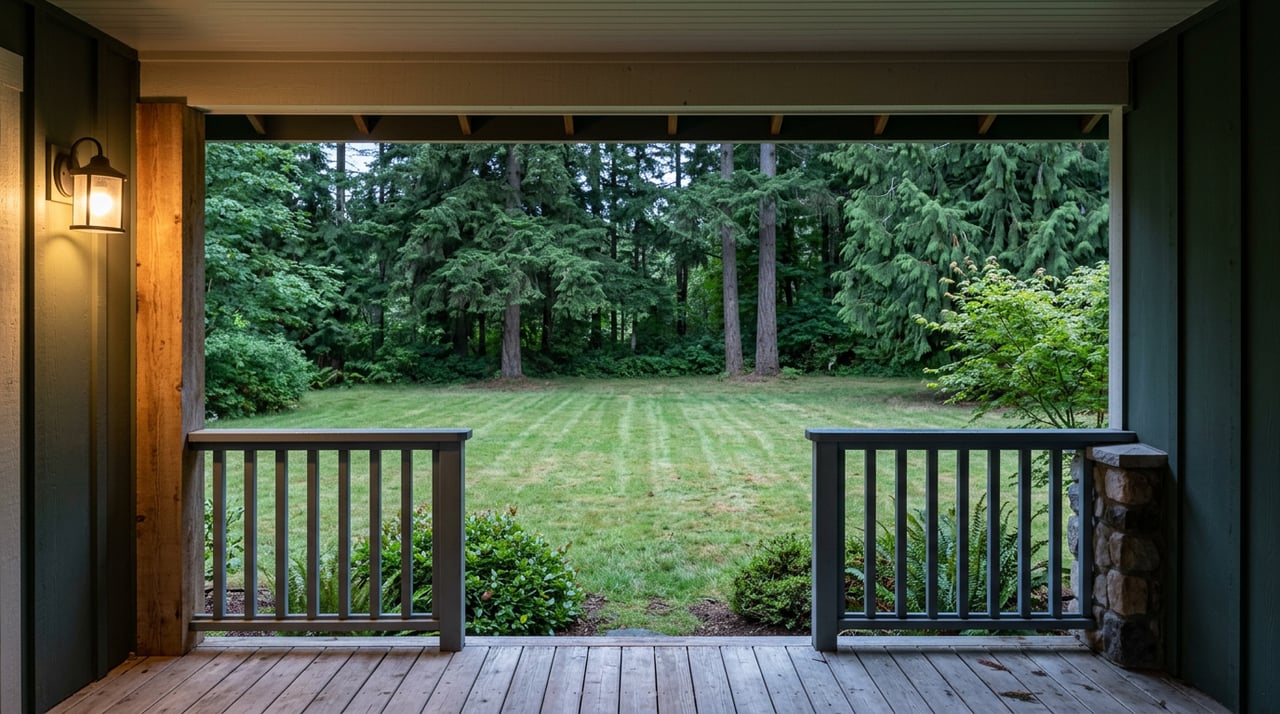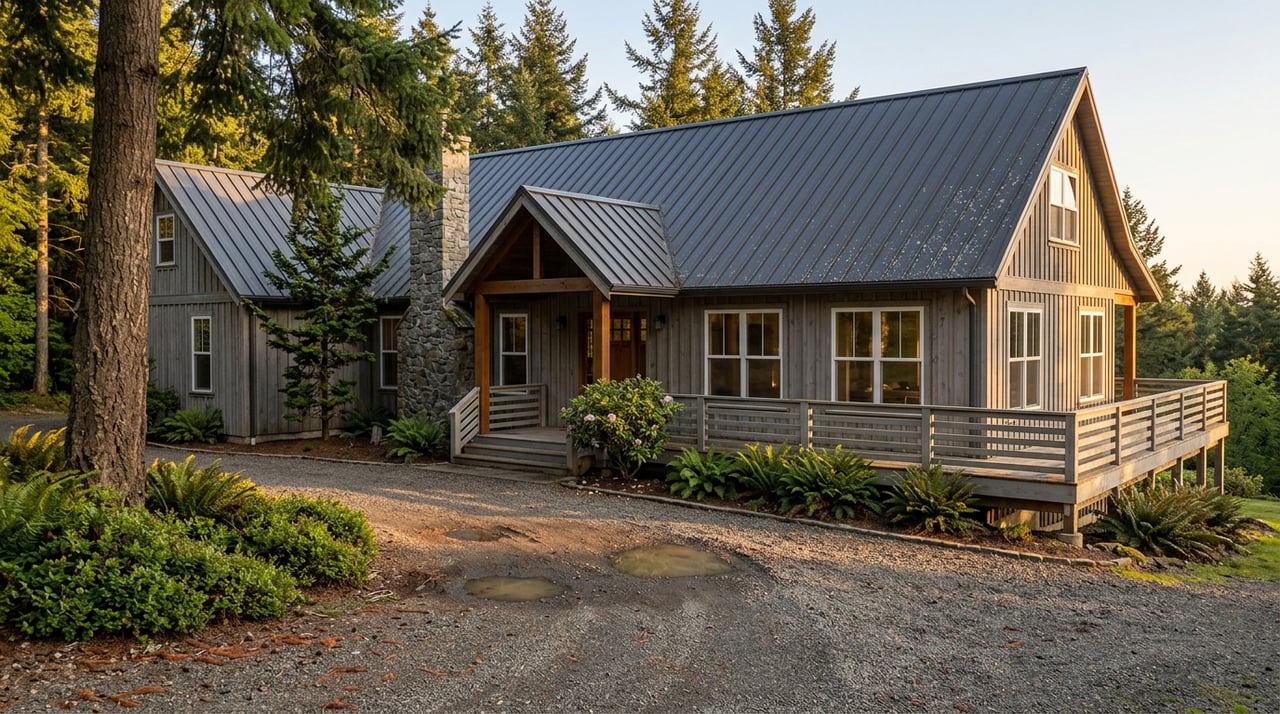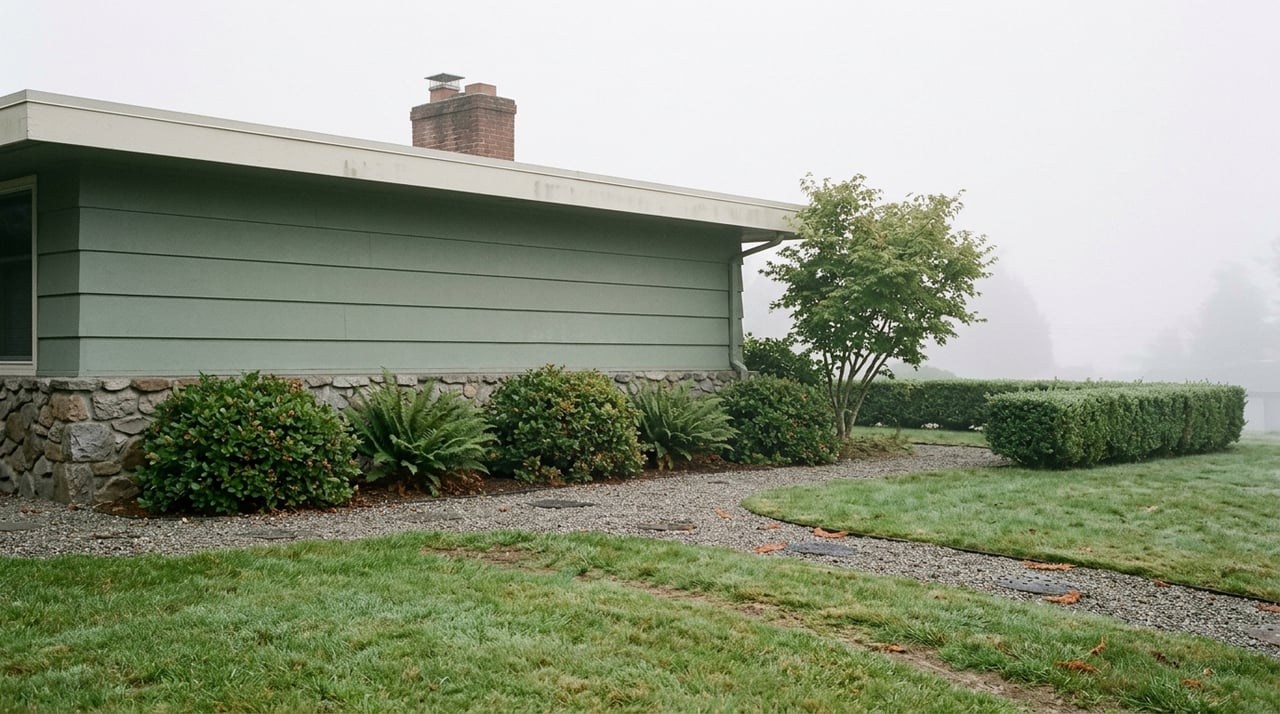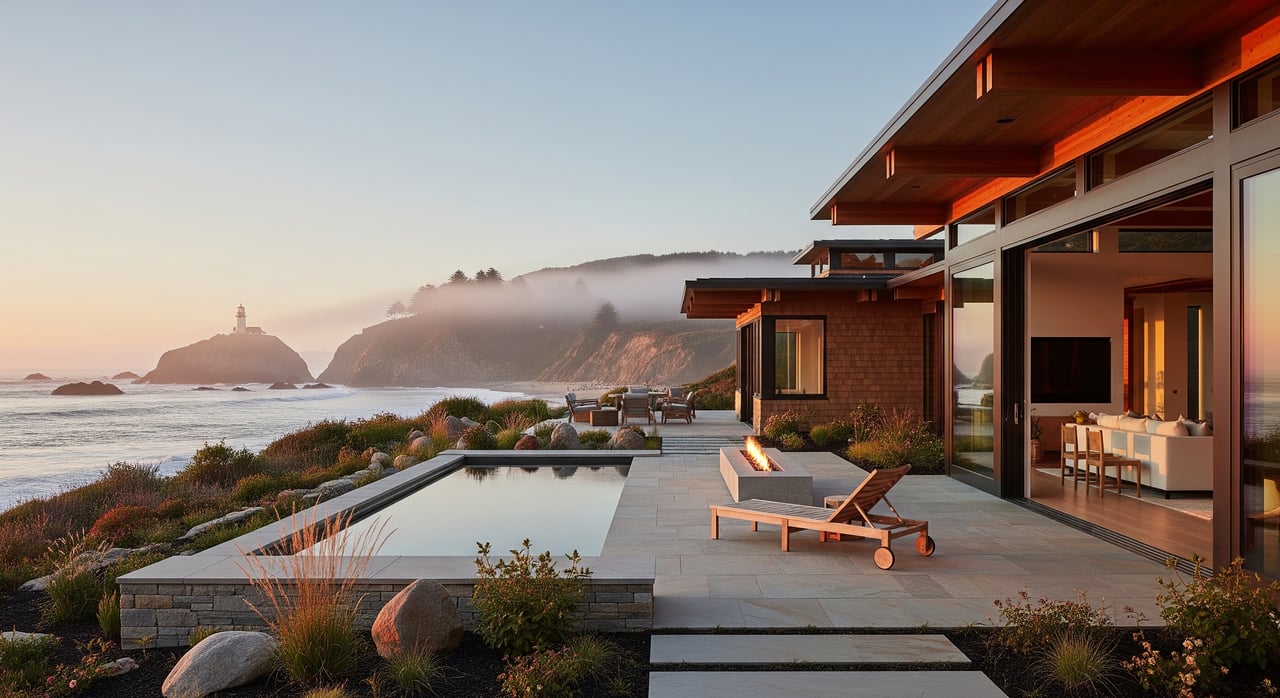
Salt air in the morning, redwoods in the afternoon, and the Pacific always within reach. If you’re curious about Crescent City, you’re likely weighing a quieter coastal lifestyle with strong outdoor access. You want a clear picture of the weather, neighborhoods, daily routines, and the practical realities of owning a home by the sea. This guide walks you through what life feels like here and how to plan a smart move. Let’s dive in.
Crescent City at a glance
Crescent City sits on California’s far northern coast near the Oregon border. It serves as the county seat for Del Norte County and anchors a working harbor with commercial and recreational activity. You’ll find a small-town core, a historic lighthouse at Battery Point, and easy access to both beaches and towering redwoods.
The town doubles as a basecamp for Redwood National and State Parks and several nearby state parks. Tourism plays a visible role, but this is also a year-round community with local government, healthcare, schools, and small businesses supporting daily life.
Climate and outdoor rhythm
Crescent City has a cool, maritime climate. Expect cool, wet winters and mild summers with regular morning fog that often burns off by midday. You’ll feel the seasons through rainfall patterns and wind off the ocean rather than big temperature swings.
Outdoor life is a constant. Beach walks, tidepooling, and fishing are part of many weekly routines. Short drives put you in old-growth redwoods for hiking and picnics, with river access along the Smith River and other waterways. Summer and fall bring more visitors, which can add energy and light crowding at popular spots.
Neighborhoods and housing
Housing here leans heavily toward single-family homes, many built in the mid-20th century or earlier. You’ll also find some multi-family buildings, apartment rentals, and mobile-home communities in the wider area. A portion of properties serve as vacation homes or short-term rentals.
In-town neighborhoods near downtown and the harbor offer quick access to shops, services, and the waterfront. Coastal-edge homes trade convenience and views for greater exposure to wind, moisture, and site-specific hazard considerations. Outside city limits, rural parcels offer space, privacy, and a more country feel, with added due diligence on utilities and access.
What to expect with older homes
Because new construction is limited, many homes benefit from updates for energy efficiency and seismic safety. In a damp marine climate, you’ll want to pay close attention to roofing, gutters, drainage, and ventilation. Moisture management is a recurring theme and a smart long-term investment.
Natural hazards and home safety
Crescent City has a well-known tsunami history, including impacts from the 1964 Good Friday tsunami. You’ll see ample local awareness, including sirens and planning maps, and you should evaluate elevation and distance from the shore for any property you consider.
Seasonal storms and heavy rain can cause localized flooding, and some shoreline areas face erosion risk. Like the rest of California, the region is seismically active, so building codes and retrofits matter. Coastal moisture and salt air also accelerate wear on exterior finishes and hardware, making routine maintenance essential.
Smart prep before you buy
- Check FEMA flood maps and state tsunami-inundation maps for any address you’re considering.
- Order thorough inspections for moisture intrusion, foundation conditions, roofing, HVAC, insulation, and electrical and plumbing systems.
- Confirm sewer or septic status and the condition of any private systems on rural parcels.
- Talk with your insurance agent about homeowners, flood, and earthquake coverage and costs.
- Review local ordinances, coastal setback rules, and permitting requirements before planning additions or new builds.
Work, services, and everyday needs
As the county seat, Crescent City’s economy includes local government, healthcare, and education, plus retail and tourism tied to parks and the harbor. Fishing and harbor-related industries remain part of the local mix. Specialized jobs may require a commute or remote-work setup.
U.S. Highway 101 is the main route through town, connecting you to other north-coast communities and southern Oregon. Limited bus service exists, but most people rely on cars. Biking is feasible for short trips, though weather can influence your routine.
Healthcare services are available locally, and regional providers operate facilities on the north coast. For broader shopping or specialty services, some residents plan occasional trips to larger centers farther south or into Oregon.
Living here, day to day
A typical day might start with a beach walk or a quick check of the harbor. After coffee, errands are simple in the compact town center, where you can reach grocery stores, schools, and services in a short drive. Afternoons often mean a hike among the redwoods or a stroll to a lookout as the fog lifts.
Evenings tend to be low-key. You may catch a sunset over the water or dine at a spot with harbor views. In summer and fall, visitor energy picks up around beaches and parks. In winter, you settle into the cozy rhythm of storms, warm meals, and quiet weekends.
Cost and value considerations
Compared with major California metros, Crescent City generally offers lower purchase prices. Inventory can be limited in a small market, so desirable homes may see competition. Plan for ongoing maintenance suited to a coastal climate, and budget for insurance that reflects site-specific risks.
If you’re investing, be thoughtful about property performance and management, especially for short-term rentals. Seasonality affects occupancy and revenue, and hands-on local oversight helps protect your asset in a coastal environment.
Who loves living here
- Outdoor enthusiasts who want beaches, rivers, and redwoods close by.
- Buyers seeking a smaller-town pace with essential services close at hand.
- Remote workers who value nature and a quieter lifestyle while confirming solid broadband options.
- Retirees who appreciate access to healthcare and easy daily routines.
Tips for a smooth move
- Visit in different seasons to experience fog, wind, and winter storms firsthand.
- Drive U.S. 101 at various times to understand travel patterns and regional access.
- Tour both in-town and coastal-edge neighborhoods to weigh convenience and exposure.
- Meet local contractors and inspectors early to plan maintenance and upgrades.
- Review insurance options and factor coverage into your budget.
- Test broadband speeds at the address if remote work matters to you.
How we can help
Buying or selling on the coast is about matching lifestyle goals with smart due diligence. Our team pairs deep local knowledge with full-service support for sales, rentals, and short-term rental operations. We help you evaluate site-specific risks, line up inspections, and position your property for long-term success.
If you’re ready to explore Crescent City homes, connect with the Green Pacific Real Estate Team to start your stress-free home journey.
FAQs
What is the weather like in Crescent City across the year?
- Expect cool, wet winters and mild summers with regular morning fog, plus wind and moisture typical of a maritime coast.
How do tsunami and coastal hazards affect home choices in Crescent City?
- Evaluate each property’s elevation and location with flood and tsunami maps, consider insurance, and prioritize maintenance that manages moisture and storm exposure.
Is Crescent City more affordable than major California cities?
- Prices are generally lower than big metros, but limited local inventory can create competition for desirable homes and drive careful budgeting.
What is the commute and transportation like in Crescent City?
- Most people drive, using U.S. 101 for local and regional trips; limited bus service exists, and biking works for short distances when weather allows.
What are common job sectors in Crescent City?
- Local government, healthcare, education, retail, harbor and fishing industries, and tourism are core employers, with some residents commuting or working remotely.
Is Crescent City a good fit for remote work?
- It can be, but verify broadband reliability at the specific address and plan for weather-related variability in connectivity.