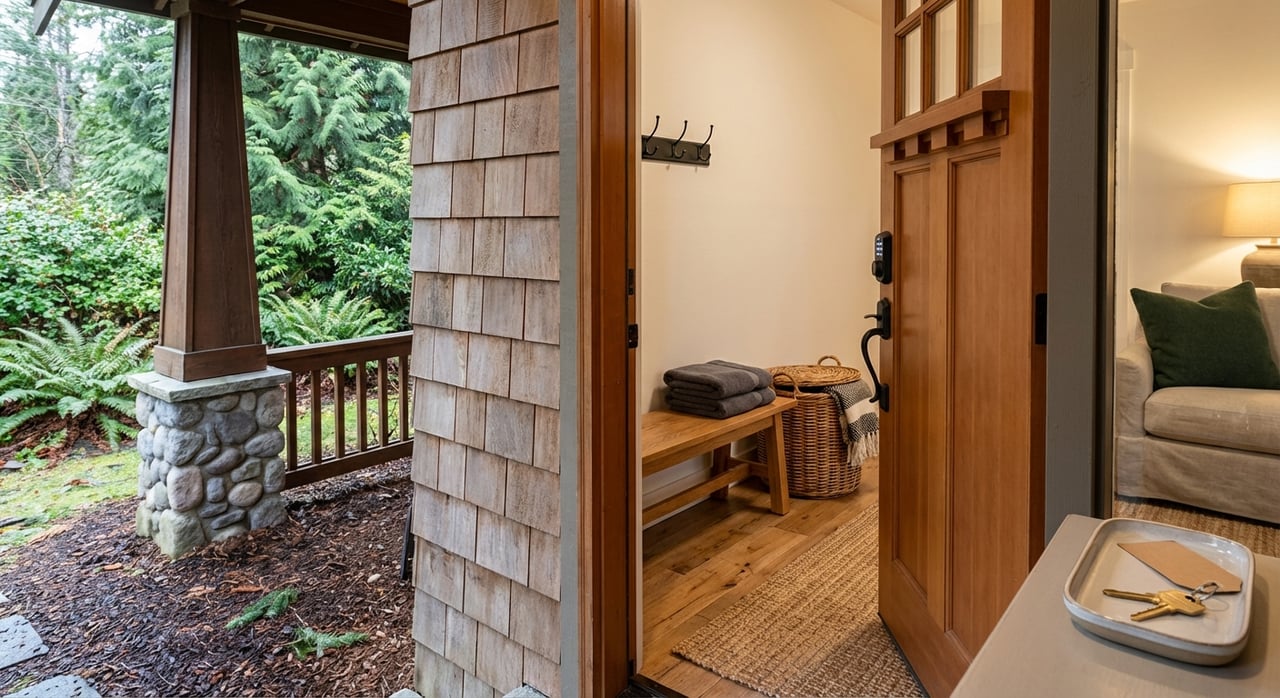
Thinking about turning your Smith River place into a vacation rental? You are not alone. With travelers flocking to the redwoods and the Smith River, well‑run short‑term rentals can perform here. In this guide, you will learn the local rules, taxes, costs, revenue benchmarks, and next steps to launch with confidence. Let’s dive in.
Why Smith River works for vacation rentals
Smith River sits between towering redwoods and wild coastline, which is exactly what many guests come to experience. Nearby Redwood National and State Parks continue to draw strong visitation, a trend that supports overnight stays across Del Norte County. You benefit from year‑round outdoor appeal and a setting that feels like a retreat.
Your guest base is diverse. Families come for redwoods and beaches in summer. Anglers, kayakers, and hikers visit in spring and fall. Winter can still bring nature seekers and storm watchers. This mix helps you smooth demand across the year if you price and market well.
Know the rules in Del Norte County
Smith River is in unincorporated Del Norte County, so county rules apply. Plan your conversion step by step and keep records from day one.
Zoning and permits
Start by confirming your property’s eligibility with the County Planning Division. Depending on zoning, coastal zone location, and your specific use, a discretionary use permit or other approvals may be required. Contact Planning early to understand standards like occupancy limits, parking, and quiet hours.
- County Planning information and contacts: Del Norte County Planning Division
Transient Occupancy Tax: 10 percent
Short stays of 30 days or less in unincorporated Del Norte County are subject to Transient Occupancy Tax. The TOT rate is 10 percent. You must register for a TOT certificate and file quarterly returns. Penalties apply for late filings, and you should retain records for audit.
- Registration and forms: Del Norte County Transient Occupancy Tax
ADUs and septic basics
Accessory Dwelling Units have a key restriction: ADUs cannot be rented short term for fewer than 30 days. If your parcel is on septic, check capacity and any upgrade needs before you host. Coastal‑zone parcels may receive additional review under the Local Coastal Program.
- ADU guidance and contacts: Del Norte County ADUs
Nuisance standards and local contact
If your permit includes operating standards, expect rules about occupancy, parking, quiet hours, trash, and a reachable local contact for complaints. Clear house rules and fast responses help you avoid issues and protect your permit standing.
Estimate your revenue
You need a realistic revenue model before you spend on upgrades and furnishings. Since Smith River is small, the closest benchmark market is Crescent City, the main gateway to area parks.
Crescent City benchmark method
Public market snapshots for Crescent City commonly show median occupancy in the high‑50 percent range and average daily rates in the low to mid $200s. Use these as a starting point, then adjust for your property’s size, finishes, and setting.
- Market data overview: AirDNA Crescent City
How to run a quick projection:
Pick a conservative ADR. Example: $225.
Pick a conservative occupancy. Example: 58 percent.
Choose nights available. Example: 330 nights if you hold dates for maintenance or personal use.
Multiply: $225 × 0.58 × 330 ≈ $43,000 in gross booking revenue.
This is only a benchmark, not a promise. Your actuals depend on property fit, guest capacity, marketing, reviews, and seasonality.
Seasonality in Del Norte
- Peak: June through August for families and redwood tourism.
- Shoulders: Spring and fall bring anglers, paddlers, and hikers.
- Winter: Lower demand with some weather‑driven travelers; plan for more cancellations and price accordingly.
Track park visitation and adjust your calendar and pricing as patterns shift. The National Park Service publishes public data you can monitor over time. See the NPS visitor statistics dashboard for context.
Plan your conversion
A smooth launch starts with safety, reliability, and clear guest information. Focus on must‑have upgrades before optional extras.
Safety, building, and hazard prep
- Building and fire safety: Confirm egress, railings, smoke and CO detectors, and fire extinguishers. Ask the County’s Community Development contacts what standards apply for your expected occupancy.
- Septic and water: Verify capacity if you are on septic, especially for larger groups or added bathrooms.
- Emergencies: Provide a simple packet with evacuation routes, tsunami and flood notes, power outage tips, and key local phone numbers. North coast weather can change fast, so clear guidance builds trust.
Guest‑friendly amenities that matter
- Reliable high‑speed internet and strong Wi‑Fi coverage.
- Flexible self check‑in with a keypad or smart lock.
- Clear directions, parking diagrams, and labeled switches.
- Ample hot water, quality linens, and a durable housekeeping system.
- Dry storage, boot trays, and a mudroom setup for wet days.
- Local maps and a simple guide to redwood hikes and river access.
Optional revenue boosters: secure storage for kayaks or bikes, pet‑friendly setups if allowed by your insurance, and off‑season angler packages. Weigh added revenue against liability and cleaning complexity.
Model your operating costs
Run your numbers conservatively. Small markets reward careful planning.
Management options and fees
If you live out of the area or prefer a hands‑off approach, a local manager or co‑host can handle guest messaging, turnovers, emergency calls, and compliance. Full‑service fees in vacation markets often range from about 20 to 35 percent of gross rent, with limited or hybrid options around 10 to 15 percent. Get written scopes and compare apples to apples.
- Fee structure overview: STR management fee breakdown
Cleaning, utilities, and supplies
Cleaning costs depend on home size and vendor availability. Many owners plan within a broad range per turnover for houses and include laundry, supplies, and restocking. Add utilities, routine maintenance, landscaping, internet, and a reserve for repairs to your pro forma.
Insurance and taxes
Standard homeowners insurance usually excludes short‑term rental activity. Ask for a policy or rider that covers transient guests, liability, contents, and loss of income. Do not rely on platform host protections as your primary coverage.
Rental income is taxable. The IRS explains how to handle vacation homes, the 14‑day rule, and when to report on Schedule E versus Schedule C. Review guidance early so your recordkeeping matches your filing method.
- IRS guidance: IRS Publication 527
Access and guest travel patterns
Most guests will drive via US‑101 or US‑199. Some will fly into Crescent City’s Del Norte County Regional Airport, then rent a car for park and river access. Include clear driving directions in your guidebook and note winter road conditions when relevant.
- Airport info: Del Norte County Regional Airport (CEC)
Neighbor relations and compliance
Your best enforcement plan is prevention. Set clear limits on occupancy and parking, post quiet hours, and explain trash and recycling. Share your local contact number and respond quickly if an issue comes up. If a use permit requires neighbor notification or operating standards, follow them closely and document your communications.
Your step‑by‑step next steps
Follow this checklist to move from idea to launch.
- Confirm zoning and permit needs with County Planning. Ask about coastal zone considerations and any required use permit conditions. Del Norte County Planning Division
- Register for Transient Occupancy Tax and note filing deadlines. Set up a simple process to retain returns and payment records. Del Norte County TOT
- Verify ADU limits and septic capacity if you intend to rent a secondary unit. ADU guidance
- Build a revenue model using Crescent City benchmarks, then refine with property specifics. AirDNA Crescent City
- Obtain quotes for short‑term rental insurance and confirm coverage for any amenities like hot tubs or kayaks. STR insurance overview
- Get at least three local property management quotes and compare full‑service versus limited support. Management fee guide
- Draft your guest operations manual: directions, check‑in steps, emergency info, house rules, quiet hours, and checkout checklist.
Ready to move from plan to profit?
Turning a Smith River home into a vacation rental can be a smart play when you respect local rules, price to the seasons, and run a tight operation. If you want help with revenue modeling, vendor coordination, or full‑service hosting, our local team can step in where you need us. Connect with the Green Pacific Real Estate Team to map your strategy and get stress‑free support from purchase through management.
FAQs
What rules apply to vacation rentals in Smith River?
- Smith River is in unincorporated Del Norte County, so you should confirm zoning and any use permit needs with the County Planning Division and register for the county’s 10 percent Transient Occupancy Tax.
How much is the Transient Occupancy Tax in Del Norte County?
- The county TOT is 10 percent on stays of 30 days or less in unincorporated areas, and hosts must register and file quarterly returns while keeping records for audit.
Can I short‑term rent an ADU in Smith River?
- No, county ADU guidance states that ADUs cannot be rented for fewer than 30 days, and you should also verify septic capacity and any coastal zone review if applicable.
How do I estimate revenue for a Smith River STR?
- Use Crescent City as a nearby benchmark, choose a conservative ADR and occupancy (for example, low‑to‑mid $200s ADR and high‑50 percent occupancy), then multiply by nights available to project gross revenue.
Do I need special insurance for a vacation rental?
- Yes, standard homeowners policies often exclude short‑term rentals, so get an STR‑specific policy or rider that covers liability, contents, and loss of income, and review IRS Publication 527 for tax reporting basics.