Looking for a second home that feels more like an escape than a checklist item? Klamath offers a rare mix of redwood forests, rugged coastline, and a quieter rural setting that can be hard to find in more built-up vacation markets. If you are thinking about buying here, it helps to understand not just the lifestyle, but also the property types, costs, and local rules that shape ownership. Let’s dive in.
Why Klamath Appeals to Second-Home Buyers
Klamath sits in the Redwood National and State Parks corridor, where the Klamath River divides the parks’ northern and southern trail areas. That setting gives you access to a landscape shaped by forests, coastline, river canyons, and scenic overlooks rather than a single resort-style town center. For many second-home buyers, that is exactly the draw.
Nearby recreation adds to the appeal. The Klamath River Overlook offers views of the river mouth and the Pacific Ocean, and the area also includes the Coastal Trail and tidepool access at False Klamath Cove. If you picture your getaway home as a place to slow down, explore outdoors, and enjoy a more natural rhythm, Klamath fits that vision well.
Because this is a park-centered area, conditions can change quickly. The National Park Service notes that trail conditions should be checked before heading out. That is a small detail, but it reflects a bigger truth about owning here: Klamath is beautiful, but it rewards buyers who plan carefully and respect local conditions.
What Homes and Land Look Like in Klamath
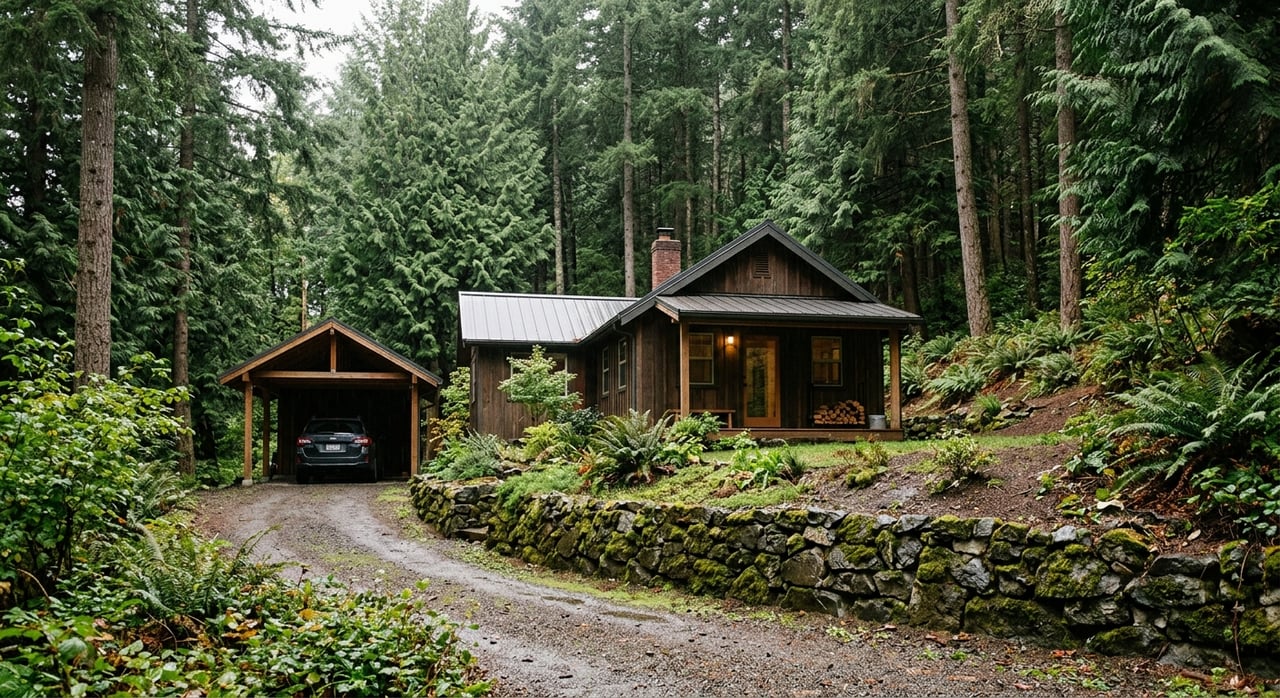
Klamath tends to offer a more rural and coastal housing mix than a typical suburban market. Buyers often see detached homes, manufactured homes, and vacant land or acreage parcels. That variety can open up different price points and use cases, whether you want a simple cabin feel, a larger homesite, or land for a future plan.
Manufactured homes are a real part of the local market, and Del Norte County has published placement guidance for manufactured homes on individual lots. That makes it important to evaluate each property based on its site conditions, access, utilities, and county requirements rather than assuming every parcel will work the same way.
If you are considering a tiny home on wheels as a permanent second home, Del Norte County treats it as a recreational vehicle and not a permanent residence. That matters for buyers who want a lower-cost escape option. It may work for occasional or seasonal use, but not as a permanent housing solution.
Parcel Rules Matter More Here
In Klamath, the land itself can shape what you are able to do with a property. Del Norte County uses separate coastal and non-coastal zoning titles, and coastal parcels may require added review. That means two homes with similar photos can involve very different approval paths depending on where the parcel sits.
The county’s development standards also point buyers toward guidance for private rural roads, hillside development, fire-safe regulations, on-site sewage disposal systems, and water-efficient landscaping. In a market like Klamath, due diligence is not just about the house. It is about the house, the parcel, the road, and the services that support it.
This is especially important if your second home goals include future improvements. Before you count on adding structures, changing access, or building on raw land, you will want to confirm what local standards apply to that specific parcel.
Understand the Real Cost of Ownership
A second home budget should include more than the purchase price. In California, property tax is generally 1% of taxable value plus local voter-approved debt or bonded indebtedness. Buyers should also know that a change in ownership or new construction can trigger a supplemental assessment, which can mean an extra bill during the first year after closing.
For rural or coastal property, septic and wastewater review can also be a meaningful cost. Del Norte County Environmental Health requires a Parcel Soil Analysis Form before soils analysis for an onsite wastewater treatment system. If a property has an older septic setup, or if you hope to add an ADU later, that review may become especially important.
Insurance deserves early attention too. The California Department of Insurance says standard homeowners and commercial policies typically exclude flood, mudslide, debris flow, and similar losses. FEMA also states that standard homeowners policies do not cover flooding, so buyers should not assume a basic policy handles every risk that can come with coastal or river-adjacent property.
Insurance Planning in Klamath
Insurance planning in Klamath often involves more than comparing one standard quote to another. Buyers may need to evaluate flood exposure, wildfire considerations, and the availability of traditional coverage at the same time. In some cases, the California FAIR Plan may serve as a safety net for property owners who cannot find traditional coverage.
The California Department of Insurance also notes that wildfire mitigation can qualify homeowners for discounts under current regulations. That makes risk reduction more than a maintenance issue. It can affect both insurability and ongoing costs.
Before closing, it is smart to verify:
- Flood map status
- Available insurance options
- Septic status and wastewater needs
- Defensible-space obligations
The county advises owners to contact Del Norte County before removing or modifying vegetation for defensible space under California Public Resources Code section 4291. That step can help you plan responsibly and avoid surprises after purchase.
Can You Rent Out a Klamath Second Home?
For many buyers, occasional renting helps offset ownership costs. In unincorporated Del Norte County, transient occupancy tax applies to lodging stays of 30 days or less, and the rate is 10 percent. Owners should contact Planning to determine whether a use permit is required and contact the Tax Collector to register for a TOT certificate.
The county also says that a business license is not required at this time for a vacation rental or Airbnb room rental in the unincorporated area. Still, that does not mean the process is automatic. You may need to work through permit screening, registration, and ongoing filing requirements before you begin hosting.
Operational rules matter too. The county requires quarterly TOT returns, records must be kept for three years, and audits are typically conducted every three to four years or sooner if filings are delayed. The county also notes that cleaning and linen fees are not taxed.
ADUs and Rental Limits
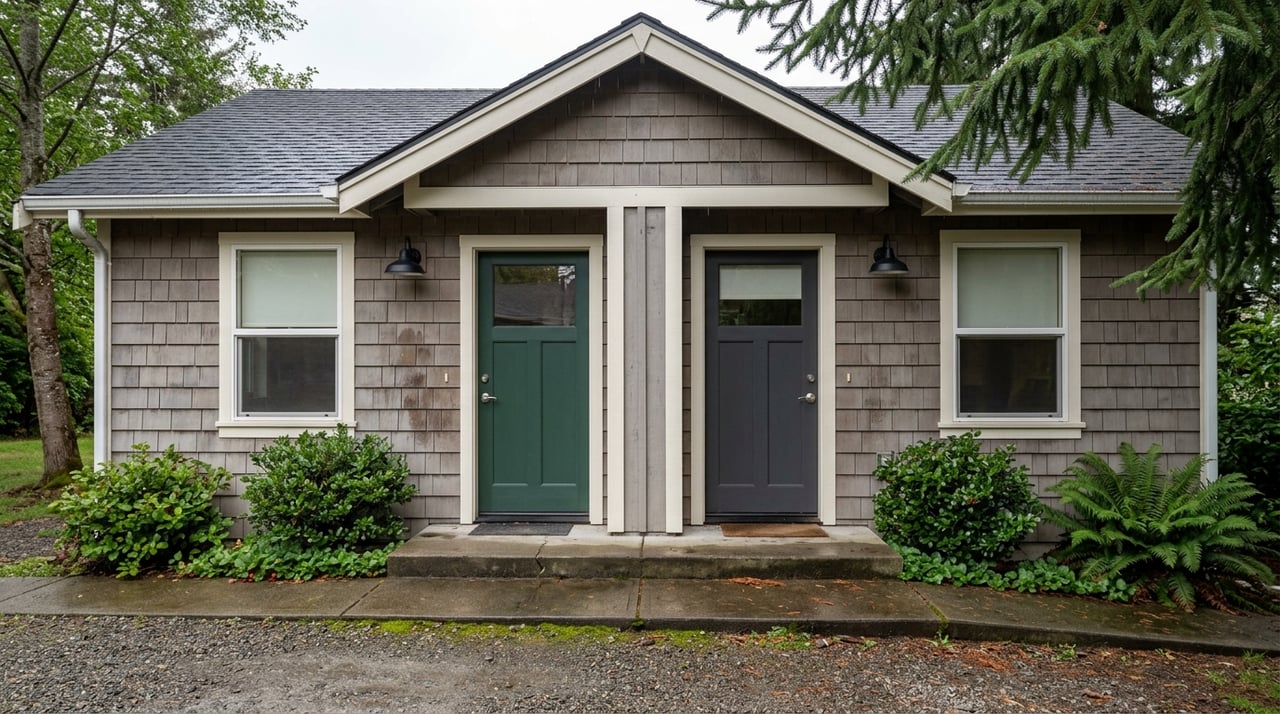
If a property includes an accessory dwelling unit, it is important to understand the county’s short-term rental rule. Del Norte County states that short-term rentals under 30 days are not allowed in ADUs. That means an ADU should not be viewed as a workaround for short-stay hosting.
An ADU may still be useful for guest space or rental strategies longer than 30 days, depending on the property and your goals. But if your second-home plan depends on short-term rental income, make sure the property’s layout and legal use align with county rules from the start.
Why Local Support Can Make a Big Difference
Second-home ownership in Klamath can be rewarding, but it often comes with moving parts that are more hands-on than in a typical city market. You may be balancing zoning review, septic questions, insurance research, defensible-space maintenance, and short-term rental compliance all at once. For out-of-area buyers especially, that can feel like a lot.
That is where local guidance can add real value. A team that understands Del Norte County’s rural and coastal market can help you ask better questions early, compare properties more clearly, and avoid buying something that does not fit your long-term plan.
Whether you want a personal retreat, a flexible lifestyle property, or a second home with rental potential, Klamath offers a distinctive opportunity. The key is buying with a clear view of both the setting and the responsibilities that come with it.
If you are exploring second-home options in Klamath or anywhere in Del Norte County, the Green Pacific Real Estate Team can help you move forward with local insight and stress-free support.
FAQs
What makes Klamath appealing for a second home?
- Klamath appeals to many second-home buyers because it sits in the Redwood National and State Parks corridor and offers access to forests, coastline, scenic overlooks, trails, and river views in a quieter rural setting.
What property types are common for second homes in Klamath?
- Buyers in Klamath often see detached homes, manufactured homes, and vacant land or acreage parcels, which is typical of a rural coastal market.
Can you use a tiny home on wheels as a permanent second home in Klamath?
- No. Del Norte County treats a tiny home on wheels as a recreational vehicle, not a permanent residence.
What extra costs should buyers expect with a Klamath second home?
- Buyers should plan for property taxes, possible supplemental tax bills after purchase, septic or wastewater review, insurance research, and maintenance items tied to rural or coastal ownership.
Does a standard homeowners policy cover flood damage in Klamath?
- No. Standard homeowners policies typically do not cover flooding, and the California Department of Insurance also notes that similar losses like mudslide and debris flow are typically excluded.
Can you short-term rent a second home in unincorporated Del Norte County?
- Possibly, but you need to check whether a use permit is required, register for a TOT certificate, and follow county filing and recordkeeping requirements.
Are short-term rentals allowed in ADUs in Del Norte County?
- No. Del Norte County states that ADUs cannot be used for short-term rentals of less than 30 days.