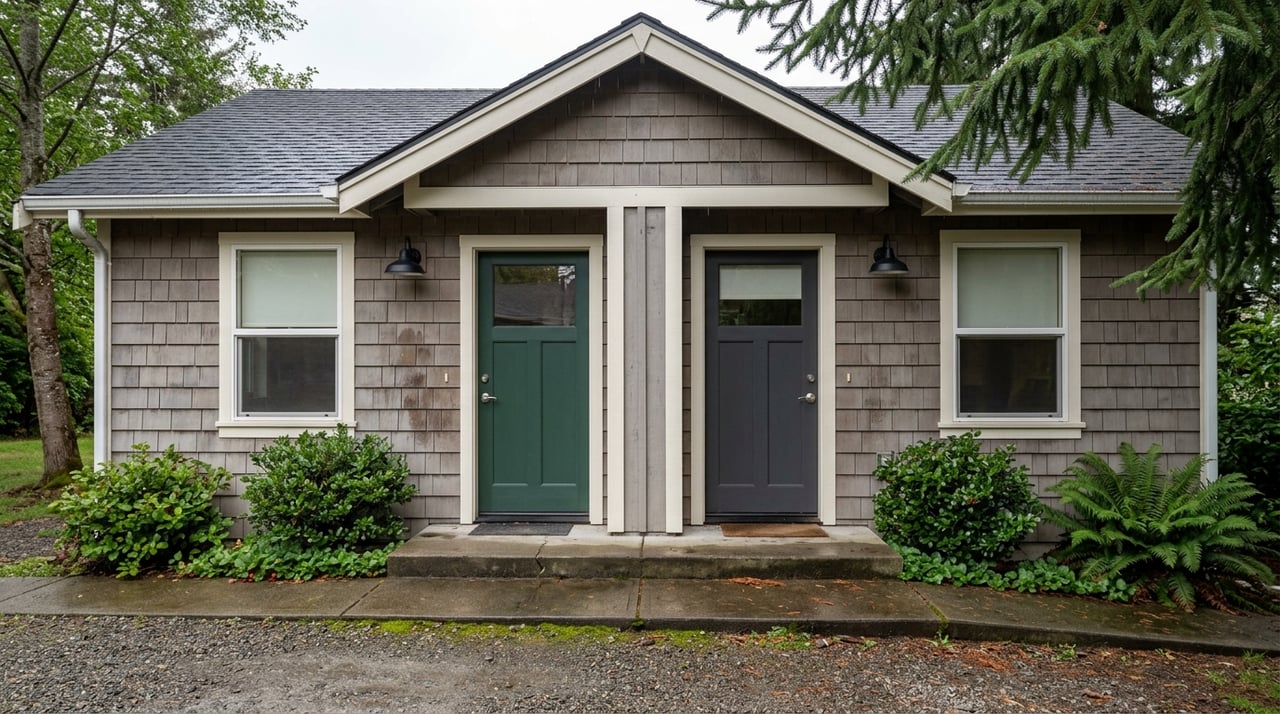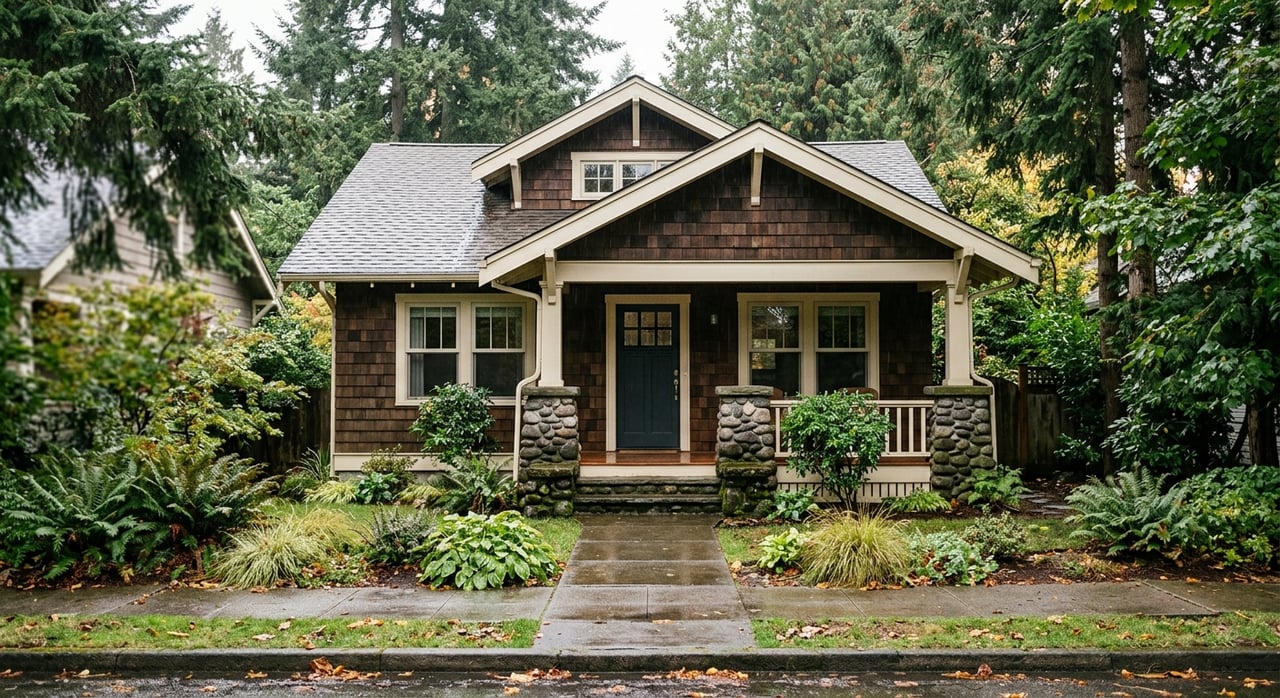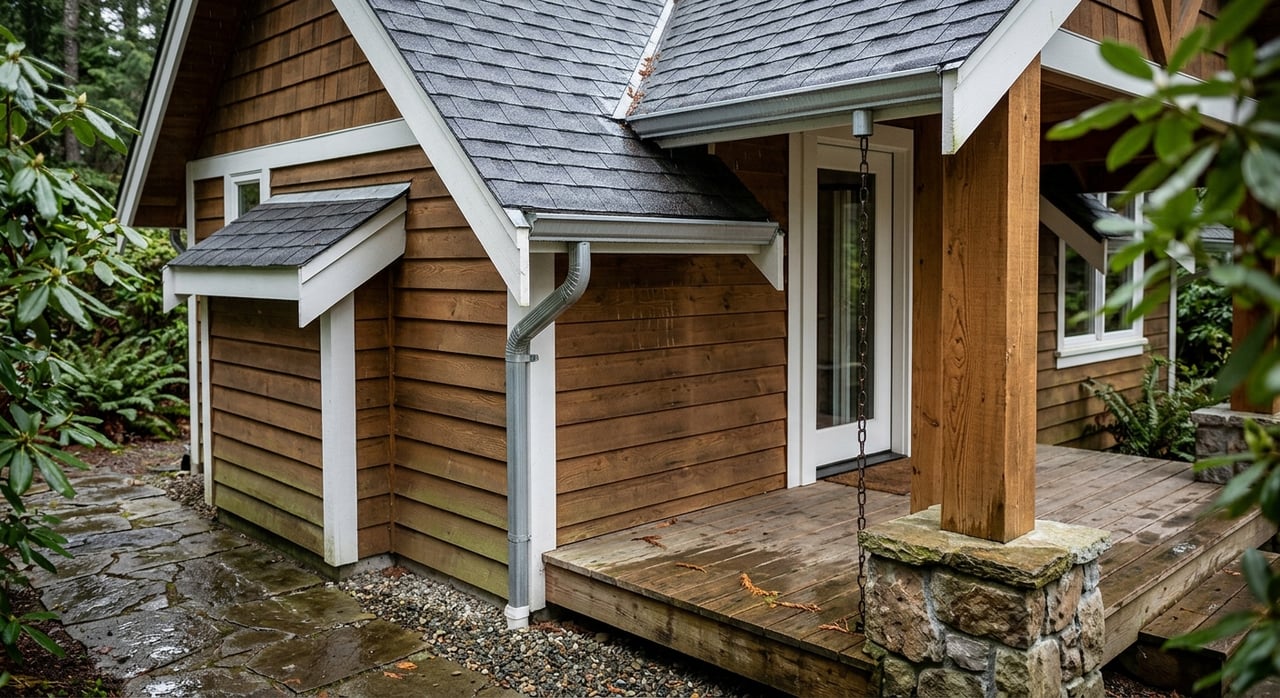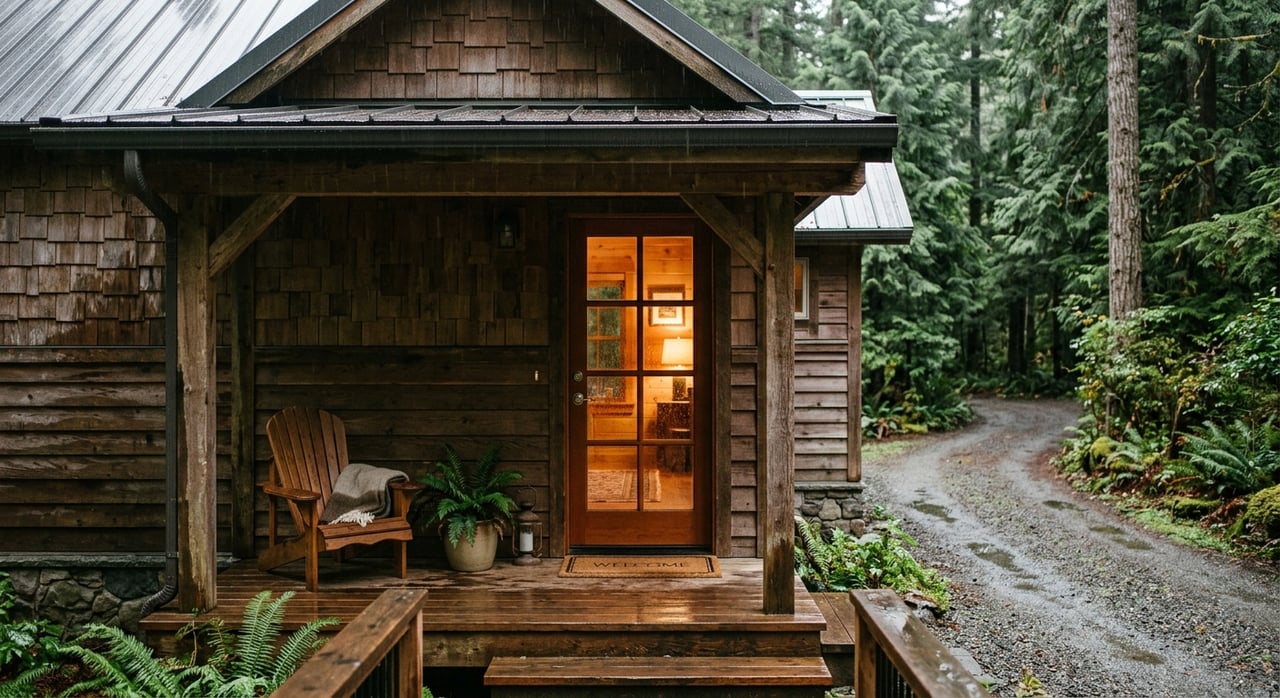
Dreaming about a quiet cabin near the river and redwoods? Buying a retreat home in Gasquet can feel exciting, but it also comes with a very different checklist than buying in a typical neighborhood. If you want a place that fits your lifestyle, financing goals, and long-term maintenance comfort level, it helps to know what to look for before you write an offer. Let’s dive in.
Why Gasquet Appeals to Retreat Buyers
Gasquet is a small unincorporated community in Del Norte County, about 21 miles northeast of Crescent City along Highway 199. It sits within the Smith River National Recreation Area and is surrounded by Six Rivers National Forest, which gives the area its distinct rural and outdoors-focused feel.
The local housing mix is not a dense subdivision market. Based on the district’s land use, Gasquet is better understood as a site-specific market made up of rural residential properties, scattered homes, cabins, and acreage parcels. If you are shopping here, each property may have its own access, utility, and maintenance story.
The population can also feel seasonal. The 2020 census counted 657 residents in the Gasquet census-designated place, while a 2026 Del Norte LAFCo update estimated about 392 year-round residents in the district area and noted that seasonal residents and tourism can make the population fluctuate.
What Makes a Gasquet Cabin Different
When you buy a retreat home in Gasquet, you are often buying more than the structure itself. You are also buying into a particular road setup, water source, septic situation, and seasonal maintenance routine.
That matters because homes in rural areas can function very differently from homes in town. Two properties that look similar online may have very different year-round access, utility reliability, and upgrade needs.
Property Type Matters
Gasquet’s land-use pattern is heavily rural, with large shares of rural residential land and public lands. That means you may see:
- cabins on wooded lots
- homes near the river
- rural homes with outbuildings
- larger parcels with privacy
- properties with a more recreational or seasonal feel
If your goal is a second home, future rental, or a mix of both, it is smart to evaluate the property based on how you plan to use it most often.
Check Access Before You Fall in Love
In Gasquet, access deserves just as much attention as the home itself. Del Norte County maintains county roads, including some roads in the Smith River National Recreation Area, and the county also publishes separate standards for private rural roads.
That distinction matters because not every road is maintained the same way. Before closing, you will want to confirm whether access is legal and physical, who maintains the road, and what the road is like in wetter or colder months.
The county health assessment also notes that shoppers in Gasquet and Klamath often travel about 21 miles on steep, winding highways to reach larger stores in Crescent City. For many buyers, that is a useful reminder that daily convenience, contractor access, and emergency service response may feel different here than in a more urban setting.
Access Questions to Ask
- Is the home reached by a county road, private road, or shared drive?
- Who is responsible for maintenance?
- Is access dependable during the rainy season?
- Is the driveway suitable for service vehicles and deliveries?
- If you plan to finance as a second home, is the property suitable for year-round use?
Understand Water and Septic Early
Utility due diligence is one of the most important parts of buying a cabin or retreat property in Gasquet. Some homes may be served by community water, while others may rely on a private source.
Gasquet Community Services District says it has provided potable water from the Smith River to the community since 1968 and has served customers since 1972. At the same time, Del Norte LAFCo reports that there are no sewer services within the district, so residents rely on private septic systems.
If a parcel needs onsite wastewater work, county Environmental Health requires a parcel soil analysis before soils analysis for an onsite wastewater treatment system. In simple terms, septic feasibility should never be treated as a minor detail, especially if you are buying vacant land, planning an addition, or considering a replacement system.
Utility Checklist for Buyers
- Verify whether the property uses GCSD water, a private well, or another source
- Confirm the current septic setup and ask for any available records
- Ask whether any septic repairs or evaluations have been completed
- Check whether the property has backup power or heating options
- Review utility access as carefully as you review the house itself
Plan for Rain, Weather, and Maintenance
Gasquet’s natural setting is a major draw, but it also creates real ownership responsibilities. The Forest Service says the Smith River National Recreation Area’s rainy season normally runs from October through April, with average annual rainfall of 92.55 inches.
Winter temperatures are generally in the 40s and 50s, with occasional snow, while summer highs can reach 80 to 100 degrees. For owners, that means roofs, drainage, road conditions, exterior materials, and winterizing all deserve serious attention.
A cabin that feels charming in dry weather may need much closer inspection once you think through heavy rain and seasonal wear. Gutters, grading, tree management, under-home moisture, and roof condition can all affect your ownership costs.
Maintenance Priorities to Review
- roof age and condition
- drainage around the home
- condition of decks, stairs, and railings
- exterior siding and paint or stain
- signs of moisture intrusion or deferred maintenance
- tree clearance around structures and driveways
Wildfire Readiness Should Be Part of Your Budget
Wildfire preparedness is a central part of buying in Gasquet. The Del Norte Fire Safe Council’s Gasquet Wildfire Resilience Program, completed in 2023, removed 9,400 cubic yards of hazardous fuels, created defensible space for 76 homes, treated 5 miles of roadways, and established a 3.5-acre shaded fuel break at the Gasquet Community Services District.
CAL FIRE hazard maps classify land in moderate, high, or very high hazard areas. For new buildings, Del Norte County’s wildland-urban interface checklist requires ember-resistant construction details such as Class A roofs and protected vents, windows, doors, and wall assemblies.
Countywide fire service documents also note that hydrants are limited to the township core, while outlying areas depend on water shuttles for fire suppression. For buyers, that makes insurance, defensible space, and emergency access important topics to address before you remove contingencies.
Fire and Insurance Questions
- Is the home in a moderate, high, or very high fire hazard area?
- Does the property have defensible space in place?
- What is the condition of the roof and vents?
- Can fire apparatus access the property easily?
- Have you checked insurance availability and pricing before making an offer?
Second-Home Financing Has Specific Rules
If you are buying a Gasquet cabin as a second home, financing rules can shape what properties will work. Freddie Mac’s guide says a conventional second home must be a one-unit property that you occupy for some portion of the year, that is primarily available for your personal use, and that is suitable for year-round use.
The guide also says there cannot be a rental pool or management arrangement that controls occupancy. A property with seasonal accessibility limits may still be eligible if the appraisal includes comparable sales with similar seasonal limits.
This is one reason location-specific property review matters. A beautiful retreat may still raise financing questions if access or year-round suitability is limited.
If You Want Rental Income, Clarify Your Strategy
Many buyers love the idea of using a retreat home personally and renting it out at other times. That can work, but it is important to understand the difference between second-home use and investment use.
Freddie Mac says rental income from a borrower’s second home may not be used as stable monthly income to help qualify. If you plan to rely heavily on rent, the home may be underwritten more like an investment property than a true second home.
On the local side, Del Norte County says the transient occupancy tax rate in unincorporated areas is 10 percent. The county also says a business license is not required at this time, owners should contact Planning and Building to see whether a use permit is required for the location, and vacation-rental operators should keep records for three years and file quarterly even if no tax was collected.
Short-Term Rental Steps to Confirm
- Ask Planning and Building whether the location needs a use permit
- Confirm transient occupancy tax registration requirements
- Budget for quarterly filings and recordkeeping
- Make sure your financing plan matches your intended rental use
A Smart Buying Checklist for Gasquet
Before you buy a cabin or retreat home in Gasquet, focus on the details that affect everyday ownership. In a rural market, practical issues can matter just as much as the views and setting.
Here is a simple checklist to keep in mind:
- confirm legal and physical access
- verify road maintenance responsibility
- review winter and rainy-season usability
- identify the water source
- evaluate septic condition or feasibility
- inspect roof, drainage, and exterior systems
- ask about defensible space and fire-hardening features
- get insurance quotes early
- confirm whether the home fits second-home financing rules
- check local short-term rental and tax requirements if rental use is part of the plan
Why Local Guidance Helps
Buying in Gasquet is often less about comparing identical homes and more about understanding one-of-a-kind properties. A cabin near the river, a home on acreage, or a retreat tucked into the trees may all require different due diligence.
That is where local experience can make the process much smoother. When you work with a team that understands Del Norte County’s rural roads, utility patterns, financing concerns, and short-term rental questions, you can make decisions with more clarity and less stress.
If you are thinking about buying a cabin or retreat home in Gasquet, the Green Pacific Real Estate Team can help you evaluate properties, navigate local details, and move forward with confidence.
FAQs
What types of homes are common in Gasquet?
- Gasquet is generally a rural residential market with scattered cabins, homes, and acreage parcels rather than a dense subdivision-style housing stock.
What utilities should you verify before buying a retreat home in Gasquet?
- You should confirm the property’s water source, ask whether it is served by Gasquet Community Services District or another source, and verify the septic system or septic feasibility.
What road access issues matter when buying a cabin in Gasquet?
- You should confirm legal and physical access, find out whether the road is county maintained or private, and ask about maintenance responsibility and seasonal usability.
What weather conditions affect cabin ownership in Gasquet?
- The area typically has a rainy season from October through April, average annual rainfall of 92.55 inches, mild winters with occasional snow, and summer highs that can reach 80 to 100 degrees.
What wildfire factors should buyers review for a Gasquet property?
- Buyers should review fire hazard classification, defensible space, roof and vent condition, access for emergency vehicles, and insurance availability before closing.
Can you use short-term rental income to qualify for a second home loan in Gasquet?
- Under Freddie Mac guidance cited in the research, rental income from your second home may not be used as stable monthly income for qualification.
What short-term rental rules apply to homes in unincorporated Del Norte County?
- Del Norte County says the transient occupancy tax rate is 10 percent in unincorporated areas, operators should check with Planning and Building about permit needs, and quarterly filings are required even if no tax was collected.