If you picture coastal living as busy beach traffic and endless sprawl, Crescent City offers something different. Life near the harbor feels compact, practical, and tied closely to the water, the weather, and the rhythm of a small working town. If you are wondering what it is really like to live near the harbor in Crescent City, this guide will help you understand the setting, housing, and day-to-day lifestyle. Let’s dive in.
Harbor Life Feels Close-Knit
Crescent City is small by design and scale. The city covers just 1.96 square miles, with a population of 6,673 in the 2020 Census and a 2025 estimate of 6,002, so the harbor and downtown area feel like part of one connected core rather than separate districts.
That compact layout shapes daily life in a big way. When you live near the harbor, you are not settling into a spread-out coastal suburb. You are stepping into a small-town setting where the waterfront, downtown businesses, parks, and public gathering spaces sit close together.
The Harbor Is a Working Waterfront
One of the most distinct things about this part of Crescent City is that the harbor is not just scenic. It is an active public marina at 101 Citizens Dock Road with services that include fuel, transient berths, fish cleaning, showers, restrooms, dock electricity, boat repair, and a restaurant.
The harbor also supports commercial activity tied to fisheries and navigation. The inner basin serves around eighty commercial vessels, especially crab, rockfish, shrimp, and tuna boats, which gives the area a real working-waterfront character instead of a resort feel.
That balance matters if you are thinking about living nearby. You get maritime scenery and everyday public access, but you are also living next to a place shaped by commerce, boating, and recreation.
Downtown and the Harbor Connect Naturally
Near the harbor, everyday errands and casual outings can blend together more easily than in many small cities. Beachfront Park, Tsunami Landing Plaza, B Street Pier, the Visitor Center, the Cultural Center, and Fred Endert Municipal Pool are all part of this clustered waterfront and downtown environment.
Because so many civic spaces are grouped near one another, the harbor core is widely understood as the most walkable part of Crescent City. That is based on the way these destinations are clustered, not on a formal walkability score, but it still helps paint a clear picture of how the area functions.
For many residents, this means your free time can feel simple and local. You might head out for a waterfront walk, stop by the pier, pass through downtown, and end up at a park or public event without needing to travel far.
Parks and Coastal Access Shape Daily Routines
Living near the harbor means public outdoor space is part of the routine. Beachfront Park is one of the city’s best-known gathering places, with picnic areas, BBQ pits, bathrooms, soccer fields, Kid's Town, a dog park, coastal access, ADA beach access, and a marine mammal center nearby.
The city also maintains more than 45 acres of parkland, six parks and open spaces, B Street Pier, and part of the California Coastal Trail. That makes it easier to picture a lifestyle built around short walks, open-air recreation, and regular time near the water.
Community events also reinforce that pattern. Beachfront Park hosts major celebrations like the July 4 Festival and the Sea Cruise Car Show, while the harbor district notes seasonal farmers markets, concerts, and other community activities in the area.
Weather Sets the Pace
The harbor lifestyle in Crescent City is deeply shaped by weather. Along the redwood coast, temperatures generally stay in the mid-40s to low-60s year-round, with cool, wet winters and about 60 to 80 inches of annual rain across the region.
Summer does not always mean hot afternoons and clear skies. Fog is common when cold ocean water meets the land, so daily life here tends to revolve around layers, rain gear, and flexibility.
For some buyers, that is a major draw. If you like mild temperatures, fresh ocean air, and a coastal routine that feels grounded rather than flashy, the harbor area fits that lifestyle well.
The Maritime Identity Is Hard to Miss
Crescent City’s harbor-side identity is reinforced by landmarks that locals and visitors both recognize. Battery Point Lighthouse, completed in 1856, remains one of the defining features of the waterfront and is open for tide-permitting public tours with volunteer keepers.
B Street Pier adds another everyday viewing point where people often watch the water, spot sea lions, or crab from the pier. Tsunami Landing Plaza and nearby tsunami walking-tour sites also give the district a strong civic and historical presence.
All of this adds texture to daily life. You are not just near the coast in a general sense. You are living in one of the city’s most visible and historic waterfront settings.
Homes Near the Harbor Tend to Be Older
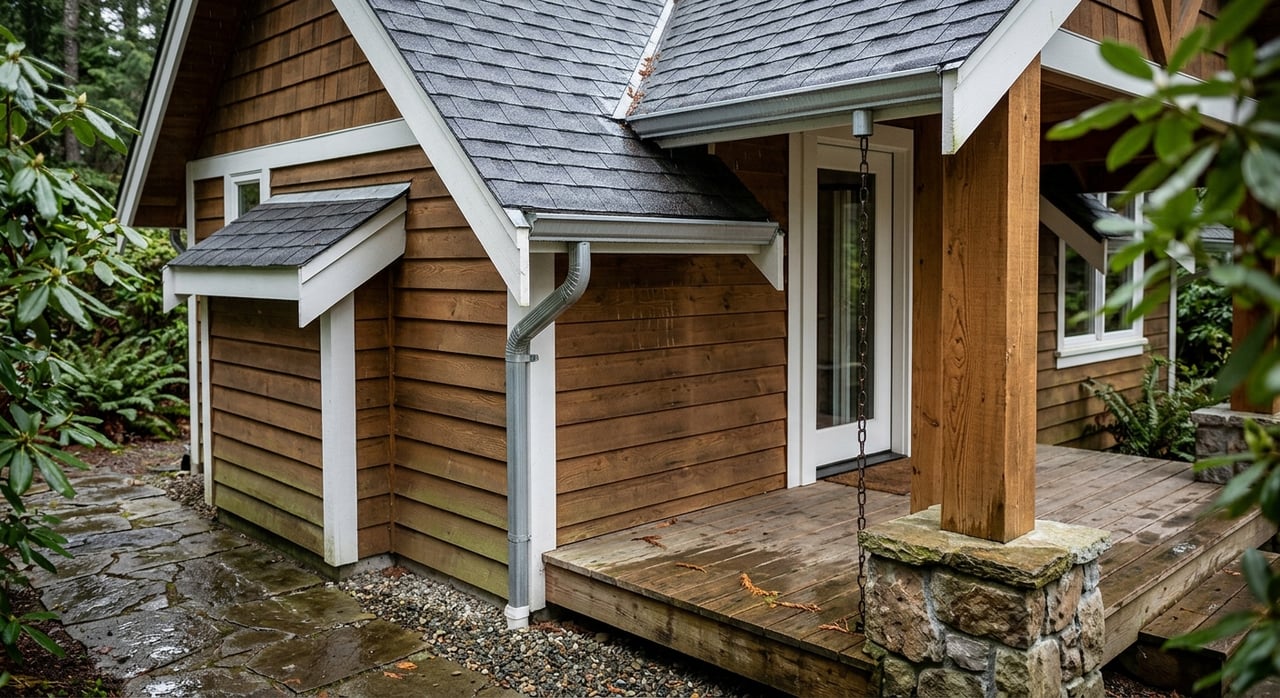
If you are shopping for a home near the harbor or downtown, it helps to expect older housing stock. The city reports that 87.1% of its housing stock was over 30 years old in 2019, which strongly suggests that many homes in this area reflect older coastal building patterns rather than recent subdivision development.
That can be a positive if you value character and in-town variety. It can also mean you will want to pay close attention to upkeep, repairs, and renovation needs, especially in a seaside environment where weather plays a constant role.
The city’s housing condition survey gives useful context here. Of the sampled units, 67.6% were rated sound and 22.3% needed only minor repairs, while smaller shares were rated moderate, substantial, or dilapidated.
Housing Options Are More Mixed Than You Might Expect
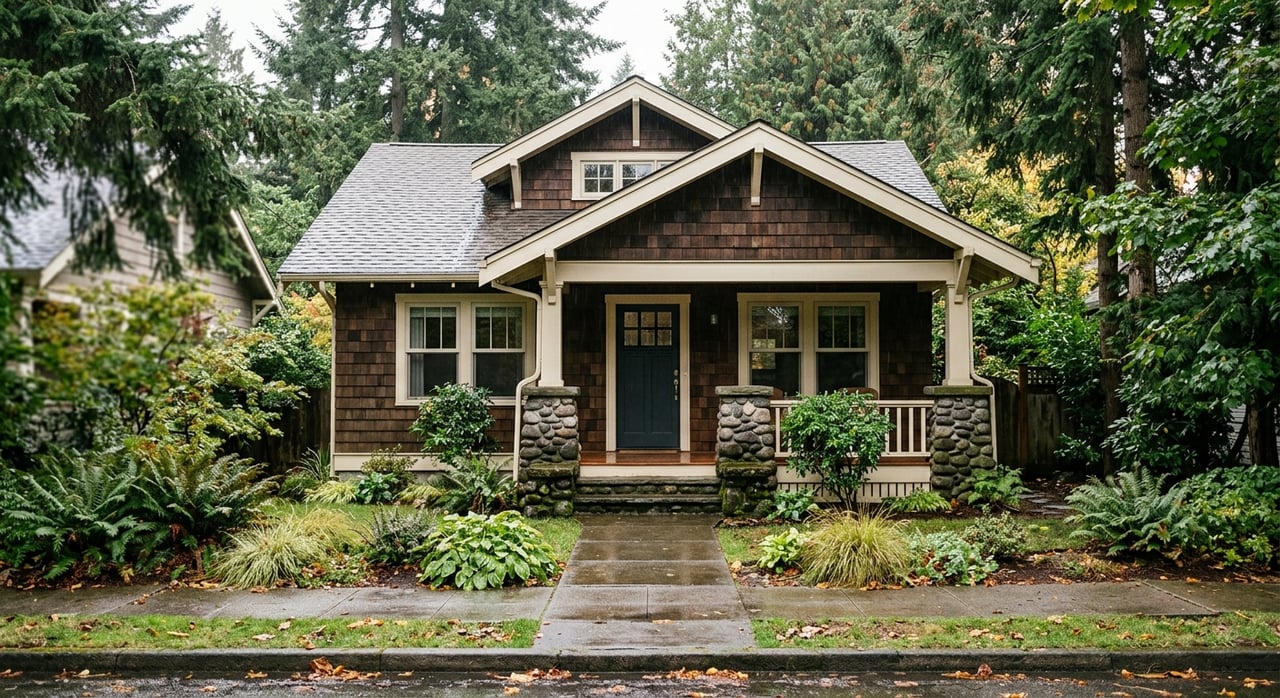
Single-detached homes are the most common housing type in Crescent City, but the local housing mix is broader than many buyers first assume. The city’s housing table shows 923 single-detached units, along with single-attached homes, small multifamily buildings, larger multifamily properties, and mobile homes.
Near the harbor and downtown, that variety can show up in more visible ways. Crescent City’s housing element supports mixed-use commercial and residential activity in several commercial districts, and the downtown mixed-use program encourages infill and rehabilitation in the downtown core.
In practical terms, your harbor-area home search may include older single-family homes, apartments, small multifamily properties, and mixed-use buildings. That can open up options for first-time buyers, lifestyle buyers, and investors who want an in-town location.
Costs Reflect a Real Small-Town Market
Crescent City does not read as a polished coastal enclave with only one type of buyer. QuickFacts show a median owner-occupied home value of $306,500, a median gross rent of $1,192, and an owner-occupied housing rate of 32.3%.
Those numbers suggest a market with both renters and owners, not just one dominant group. If you are considering a move near the harbor, that mix can contribute to a more practical and lived-in feel.
For buyers, it also means expectations should stay grounded in the realities of a small local market. Inventory, condition, location, and intended use can all matter a great deal in an area where housing types and ownership patterns are mixed.
Recreation Extends Beyond the Waterfront
Living near the harbor also places you close to the larger redwood-and-coast setting that defines Crescent City. Redwood National and State Parks headquarters are at 1111 Second Street, and the harbor is only about 8 miles from the parks.
That proximity gives everyday life a wider outdoor range. A normal week might include harbor views, a stop at Beachfront Park, a walk on the coastal trail, and an easy trip toward the redwoods.
Crescent Beach Overlook, about three miles south of the city, adds another layer to the local routine. When fog lifts, it offers views of miles of beach, the harbor, and offshore sea stacks, with access to the Last Chance section of the California Coastal Trail.
Who Might Love Living Near the Harbor
This area can be a strong fit if you want a home base that feels central, scenic, and connected to public spaces. It may especially appeal to buyers who enjoy a mild climate, visible maritime activity, and the convenience of being close to downtown amenities and coastal recreation.
It can also appeal to investors or property owners looking at in-town housing, mixed-use possibilities, or rental opportunities in a market with both renter and owner segments. Because housing near the harbor is often older and varied, local insight can make a big difference when comparing options.
If you are looking for a polished, newer coastal subdivision, this may not be your first choice. But if you want a character-rich part of Crescent City with a working waterfront, walkable public spaces, and daily access to the coast, the harbor area stands out.
Whether you are buying your first home, planning a move, or exploring an investment property near the water, local guidance matters in a market this specific. The Green Pacific Real Estate Team can help you understand neighborhood fit, compare housing options, and move forward with confidence.
FAQs
What is daily life like near the harbor in Crescent City?
- Daily life near the harbor tends to feel mild, weather-aware, and outdoors-oriented, with easy access to parks, the waterfront, downtown spaces, and community events.
What kinds of homes are near Crescent City Harbor?
- Homes near Crescent City Harbor are often older, with a mix of single-family homes, apartments, multifamily properties, and some mixed-use buildings in the downtown core.
Is the Crescent City harbor area walkable?
- The harbor and downtown core are considered the most walkable part of Crescent City because major parks, piers, civic spaces, and local businesses are clustered close together.
How does weather affect living near the harbor in Crescent City?
- Weather plays a big role, with temperatures usually in the mid-40s to low-60s, frequent fog, cool wet winters, and a lifestyle that often calls for layers and rain gear.
Are there parks and trails near Crescent City Harbor?
- Yes, the harbor area is close to Beachfront Park, B Street Pier, and a portion of the California Coastal Trail, with additional access to nearby beach overlooks and redwood recreation.
Is living near the harbor in Crescent City good for buyers seeking character homes?
- It can be, because much of the local housing stock is older and varied, which often means more architectural character but also a greater need to evaluate condition and upkeep carefully.