On the morning of February 20, 2026, a driver mounted a GoPro and drove across the new Dr. Fine Bridge. He posted the clip to YouTube with a short note. The bridge had opened the day before, it was one way at first, and by that morning it was "open both ways today." After years of a temporary span and a 25-mph limit, U.S. 101 over the Smith River had its permanent deck.
Nine months later, Smith River drivers still hit a stop paddle there. Caltrans' District 1 bulletin for November 6 through 12 listed weekday one-way traffic control at the bridge from 7 a.m. to 5:30 p.m., with delays of about 10 minutes. The deck has been open to traffic for months. Most of what held up the schedule sits in the water below it, and the river only lets crews work on its own calendar.
The River Keeps the Calendar
Crews can't do in-river work on the Smith whenever the weather is good. In 2024, Caltrans officials told Wild Rivers Outpost that in-channel work was limited to June 15 through October 15. They also said the short window and the environmental requirements could push the schedule back. In practice, every unfinished piece of in-water work costs a whole year. Miss the October cutoff and the next chance comes the following June.
That is what happened to the temporary bridge. In a funding memo for the California Transportation Commission's October 15–16, 2026 meeting, Caltrans explained it plainly:
"Even with the additional efforts and the accelerated schedule, there was still temporary bridge removal work remaining that could not be completed until the in-water work season of 2026."
That line comes from the CTC supplemental funds memo. The contract was written with 860 working days, and the memo describes "strict environmental constraints and in-water work windows." So February's opening put traffic on the new deck, but the temporary bridge in the riverbed still had to wait for summer.
The weekly schedule has shifted more than once this fall. The bulletin reposted on October 24 listed overnight work from 6 p.m. to 9 a.m. at the bridge, with one-way control. By the November 7 repost it had moved to weekday daytime hours. If you plan a drive to Crescent City around the bridge, check the newest week on Caltrans' District 1 road information bulletin. Last week's hours may not hold.
Four Things Under the Water
Caltrans' October filings name four reasons the job outlasted its plan. Each one starts at or below the waterline.
- The piles. The memo says the project "lost" a construction season to "deep anomalies in the pile foundations" that needed corrective work. Contractor MCM Construction then went to a 24-hour, seven-day schedule to catch up. A companion CTC item says that round-the-clock push was meant to finish the remaining work in 2025, but the work windows and the pile repairs ruled that out.
- The old foundations. The plan was to leave the 1940 bridge's foundations in place. Scour had exposed them, so they needed concrete removal. Then the river kept scouring, exposed more of them than expected, and that meant more removal work.
- The mussels. A population of Western pearlshell mussels lives under the bridge inside the work area. Monitoring them accounted for about 10 percent of construction support spending, and coordinating with permitting agencies took more staff time than anyone planned.
- The regulators. In January and March 2026, the North Coast Regional Water Quality Control Board issued notices of violation for the site. Caltrans told the CTC those notices are resolved and it expects no further enforcement from that board. In June 2026, the California Coastal Commission sent an enforcement letter, and Caltrans says it is working toward a similar resolution there.
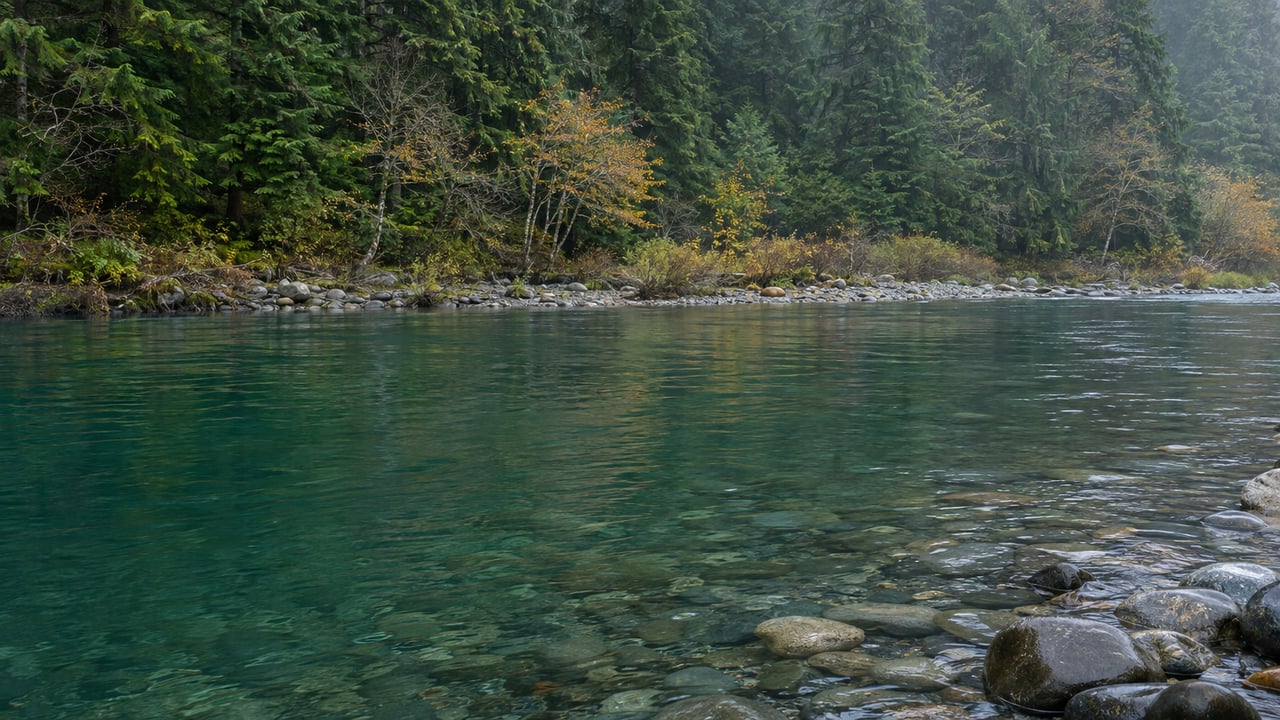
Each of these comes back to the same constraint. The bridge crosses a federally designated Wild and Scenic River with a mussel bed beneath it, and crews may work in that river only for a few months a year. Put those four together and you get the extra $1.2 million in construction support Caltrans asked the commission to approve in October. Caltrans also told the commission what happens without it. It would not be able to finish construction or meet the permit requirements, and the cleanup could end up as a separate future project at a possibly higher cost.
A Line Item Since 2008
The bridge is the Dr. Ernest M. Fine Memorial Bridge, No. 01-0020. The project limits run from 0.3 mile south to 0.4 mile north of the Smith River. Caltrans says the old bridge went up in 1940 and was near the end of its useful life.
Its replacement first appeared in the state highway program in April 2008, budgeted at $47,180,000 in construction capital and slated for funding in fiscal year 2011-12. The state then pushed that construction funding allocation back again and again, to 2013-14, 2014-15, 2016-17, 2018-19 and 2020-21. In May 2020 the design changed to a new superstructure and foundation on the existing alignment, with a temporary bridge carrying traffic during construction. That is the detour span drivers used until February. The contract was awarded in July 2022 at $86,565,090 in construction capital, close to double the 2008 figure, and construction started in October 2022.
So the bridge that opened this February had been on the state's books for almost 18 years. Building it took one season longer than the contract planned.
What the New Deck Gives You
The old bridge was a two-lane crossing with 1-foot shoulders and 2-foot raised sidewalks. Caltrans' 2020 baseline agreement with the commission lists why it had to go: fracture-critical riveted steel girders, a narrow deck, nonstandard bridge rail, and seismic and scour concerns. The commission memo lists the goals as meeting current seismic and design standards and improving safety and access for people on foot and on bikes.
The Caltrans fact sheet describes the new design:
| Feature | New bridge design |
|---|---|
| Travel lanes | Two 12-foot lanes |
| Shoulders | Two 8-foot shoulders |
| Pedestrians | Separated 6-foot walkway |
| Seismic | Seismic bearings and instruments that track how the bridge responds |
Eight-foot shoulders and a separated walkway change the crossing for anyone who walks or bikes between the town of Smith River and the south bank. The old bridge gave them a 1-foot shoulder and a 2-foot sidewalk.
What Runs Through December 2027
The October filings set out the timeline. As of the October 15–16 meeting, the project was 90 percent complete with 60 working days left. Caltrans said it was on track to finish bridge construction in early October 2026. Plant establishment, which is replanting and caring for the vegetation disturbed by the work, is scheduled to run through December 31, 2027. Nine temporary construction easements also still need ongoing support. Formal acceptance of the construction contract is planned for December 2027.
That means more than a year of follow-up along the riverbanks after the heavy work ends. Most of it will happen off the deck you drive.
Anglers and drift boaters will be watching the riverbank more than the road. Through the construction seasons, Caltrans' project page said there was no boat access beneath the bridge from June through October. It also said launching from the informal access point below the bridge at South Bank Road was restricted. The same page warns that in the rainy season, high water can hide hazards near the work site, and it asks people to stay clear of the area. If you're planning a winter float that takes out near the bridge, check that page and the weekly bulletin before you load the boat.
Planning a sale or a move on either side of the Smith, and wondering how the crossing fits into your daily drive? Green Pacific Real Estate Team knows both banks and the 101 between them. Start your stress-free home journey with a free local market valuation.