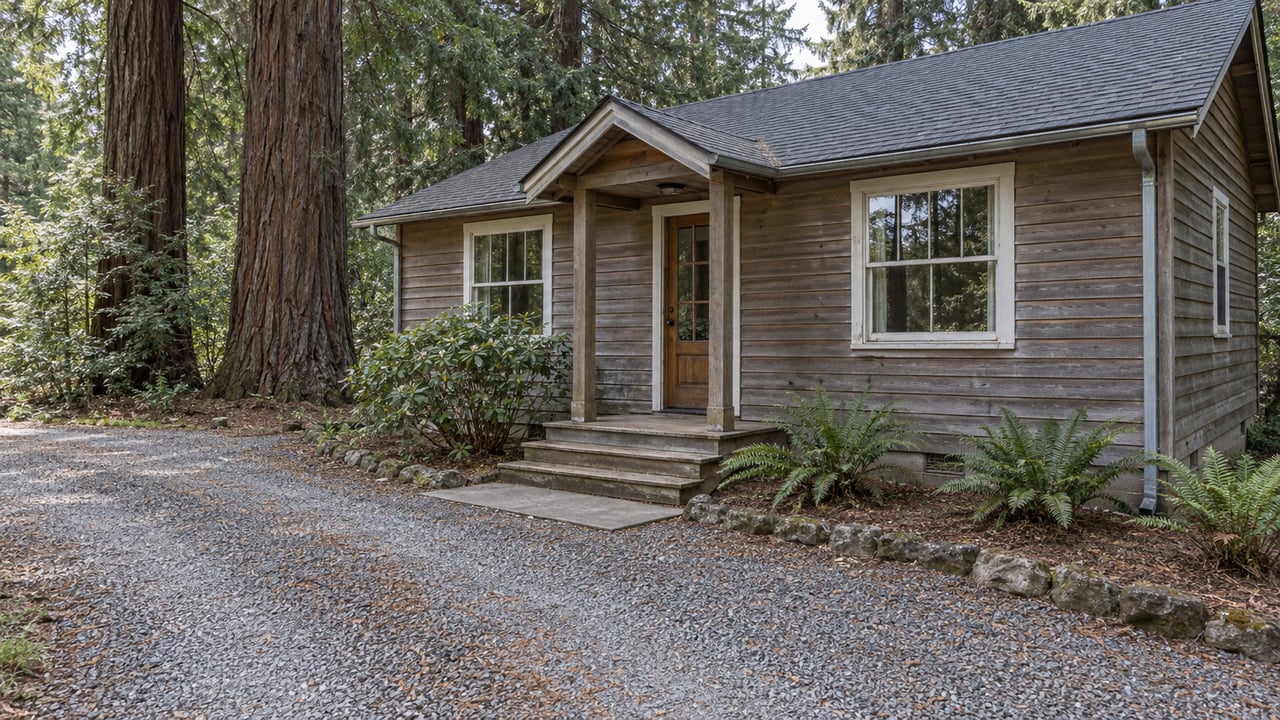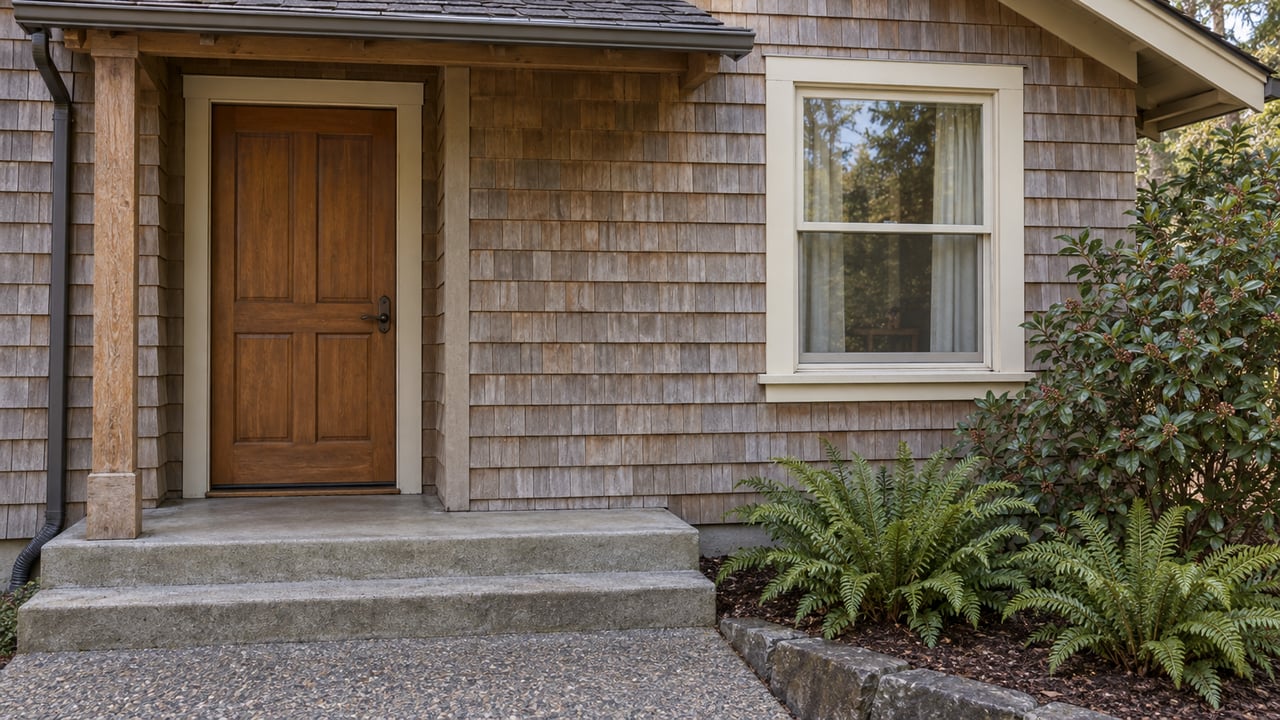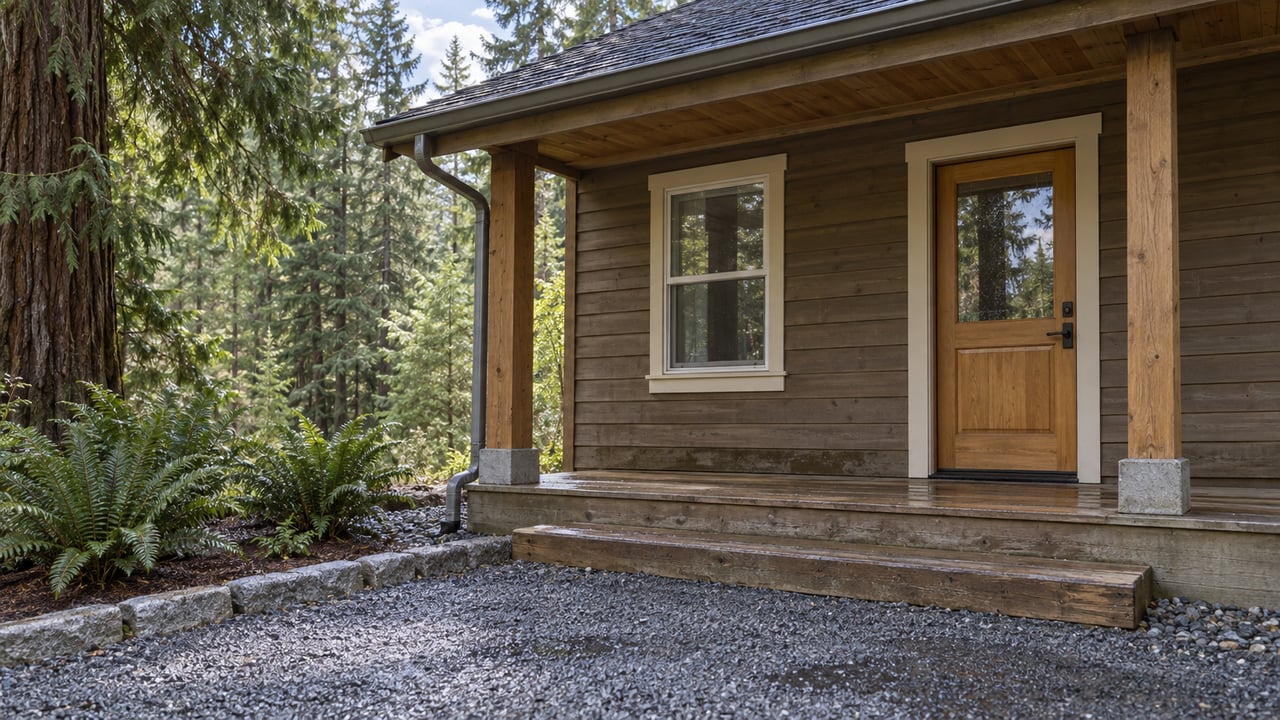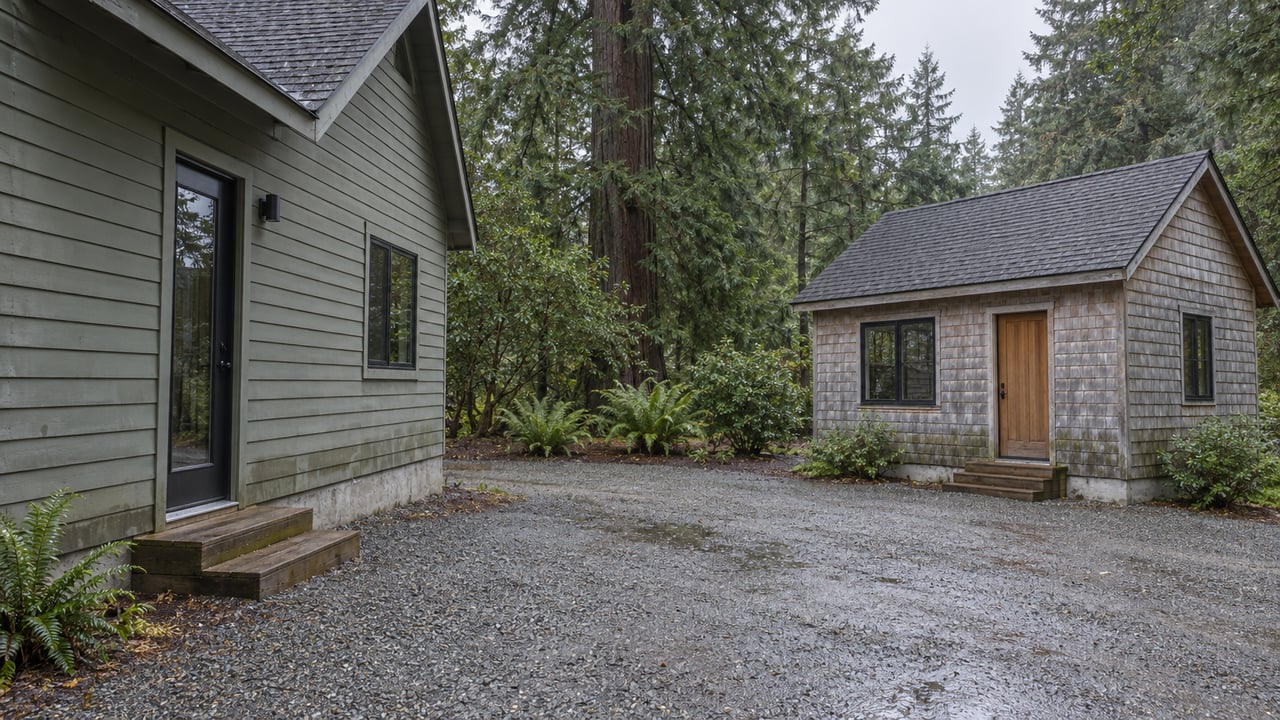
Wondering whether you should rent out your Del Norte County home or put it on the market? It is a big decision, and the right answer depends on your goals, your finances, and how much time and responsibility you want to take on. If you are weighing cash flow against a clean sale, this guide will help you compare both paths with local market context and practical California rules in mind. Let’s dive in.
Del Norte County market matters
In a small market like Del Norte County, the rent-or-sell decision can look different than it would in a larger California city. County housing data shows a 71.2% owner-occupied housing rate, which points to a market where many homes are lived in by their owners rather than held as rentals.
The same data shows a median gross rent of $1,182 and median monthly owner costs with a mortgage of $1,667. That gap matters because it suggests many financed homes may not naturally produce strong monthly cash flow as long-term rentals unless the property rents above the county median or you have substantial equity.
Recent listing and sales snapshots also show why pricing matters if you sell. In April 2026, Realtor.com reported 218 homes for sale and just 3 homes for rent countywide, along with a median listing price of $475,000, a median sold price of $337,000, and 97 days on market.
Those numbers are not a promise of what your home will do, but they do tell you this: Del Norte County is a market where strategy matters. Whether you rent or sell, you need realistic numbers and a plan that fits your property.
When selling may be the better move
Selling often makes more sense if you want simplicity, access to your equity, or a fresh start. It can also be the cleaner option if you do not want the ongoing duties that come with being a landlord in California.
One of the biggest reasons homeowners choose to sell is the potential home-sale tax exclusion. If your home qualifies as your main residence and you meet the ownership and use tests, the IRS says many single filers may exclude up to $250,000 of gain, and many married couples filing jointly may exclude up to $500,000.
That tax benefit can be especially important if you have built up strong equity over time. If you rent the property first and sell later, the tax picture can become more complicated because depreciation on rental use after May 6, 1997 generally cannot be excluded and may be subject to recapture.
Selling can also reduce your day-to-day stress. You do not have to manage maintenance requests, turnover, tenant notices, deposit accounting, or California compliance rules after the transaction closes.
Selling could fit if you want these outcomes
- You want to unlock equity now
- You want fewer ongoing responsibilities
- Your home may qualify for the home-sale exclusion
- You do not want to manage repairs, tenants, or rent rules
- You want a cleaner, more predictable exit
Why pricing is critical when selling
If you choose to sell, it is important to separate listing hopes from likely market outcomes. In Del Norte County, the April 2026 snapshot showed a median listing price of $475,000 but a median sold price of $337,000.
That does not mean your home will sell below asking. It does mean that buyers may be price-sensitive and that a realistic pricing strategy matters more than testing the market with an aspirational number.
In a smaller rural coastal market, timing also matters. With 97 days on market in that same snapshot, sellers should be prepared for a process that may take longer than expected if the home is overpriced or needs negotiation.
When long-term renting may make more sense
Long-term renting can be a smart option if you want to keep the property, expect long-term appreciation, and can comfortably carry the home even when things do not go perfectly. That last part matters more than many owners expect.
County data suggests caution on cash flow. With median gross rent at $1,182 and median owner costs with a mortgage at $1,667, a financed property may not automatically cover its monthly costs from rent alone.
That does not mean long-term renting cannot work. It may work well if your mortgage is low, the home is paid off, the property commands above-median rent, or you are thinking in long-term wealth building instead of immediate monthly profit.
Long-term renting may fit if you want these outcomes
- You want to keep the home for future appreciation
- You have low debt or strong equity in the property
- You can absorb vacancies and repairs
- You want rental income more than immediate sale proceeds
- You are comfortable with California landlord rules
California rules can change the math
If you rent your home, you are not just comparing rent against a mortgage payment. You are also taking on a legal and administrative role that requires attention to detail.
California’s Tenant Protection Act generally caps rent increases at 5% plus CPI or 10%, whichever is lower, over a 12-month period. The same tenant also generally cannot face more than two rent increases in a 12-month period.
California law also generally requires just cause to end a tenancy after the tenant has occupied the unit for 12 months, subject to exemptions based on the property and ownership structure. Whether your home is covered depends on the exact facts, so the details matter.
Security deposit rules are another important piece. For most residential tenancies entered into, renewed, or extended on or after July 1, 2024, California generally limits security deposits to one month’s rent, with a narrow small-landlord exception allowing up to two months’ rent.
After a tenant moves out, landlords generally must return the remaining deposit and an itemized statement within 21 days. State law also now requires move-in and move-out photographs for certain tenancies and deductions, which adds more recordkeeping than many owners expect.
Entry rules matter too. California law generally requires reasonable written notice before entry during normal business hours, and if you think you may sell the property later, showing access rules should be part of your decision from the start.
What about short-term renting?
For some Del Norte County owners, short-term renting can be worth considering. This is especially true for homes that appeal to visitors exploring the coast, redwoods, and nearby outdoor destinations.
Redwood National Park reported 622,883 recreation visits and $47.8 million in visitor spending in 2024. The park also notes that there are no hotels or lodges within the park, with lodging and additional camping options located in nearby communities.
That supports the idea that some homes in Del Norte County may benefit from visitor demand. Still, strong demand alone does not make short-term renting the right fit.
Short-term renting may fit if you want these outcomes
- You want to keep the property and pursue higher seasonal income potential
- Your home has strong visitor appeal
- You are comfortable with frequent turnover
- You can manage guest communication, cleaning, and compliance
- You want a more active investment approach
Local short-term rental rules to know
Short-term rental rules depend on where the property is located. In the unincorporated areas of Del Norte County, the county says operators should contact Planning and Building to find out whether the location requires a use permit.
The county also says short-term rental operators must register for a Transient Occupancy Tax certificate. The TOT rate is 10%, returns must be filed quarterly even if no rental income was collected, and records must be kept for three years.
Inside Crescent City, the rules are more formal. The city says all businesses offering short-term lodging of less than 30 days within city limits must register, pay a 10% City TOT, file quarterly even if nothing is owed, and keep records for at least three years.
The city also requires a current business license for short-term lodging businesses within city limits. So if your property is in Crescent City, your setup and ongoing compliance may be more involved than in some unincorporated areas.
Taxes are different if you convert to a rental
If you move out and convert your home to rental use, your tax reporting changes. According to IRS Publication 527, the depreciable basis is generally the lesser of the home’s fair market value or adjusted basis on the conversion date.
Residential rental property is generally depreciated over 27.5 years. That can create tax deductions while you hold the home, but it can also affect your future sale because depreciation may be recaptured.
This is why the rent-or-sell question is not just about monthly income. It is also about how your taxes could look over several years, not just this year.
A simple way to decide
The clearest way to compare your options is to look at net results, not just top-line numbers. A home that seems like a great rental on paper may look very different after vacancies, repairs, insurance, taxes, management, and compliance costs.
Likewise, a sale that feels disappointing at first glance may still be the better outcome if it lets you use the home-sale exclusion, avoid landlord duties, and walk away with strong net proceeds. Your best path depends on what you value most.
Compare these questions before you choose
If you are leaning toward selling
- How much equity would you walk away with after payoff and closing costs?
- Does your home likely qualify for the home-sale exclusion?
- Do you want cash now for another home, investment, or life change?
- Do you want to avoid ongoing landlord responsibilities?
If you are leaning toward long-term renting
- Will rent realistically cover your full monthly and annual costs?
- Can you handle vacancies, repairs, and legal compliance?
- Do you want to keep the property for appreciation?
- Are you prepared for California rent and tenancy rules?
If you are leaning toward short-term renting
- Is the property in an area that supports visitor demand?
- Do local county or city rules require registration, a permit, or a license?
- Can you manage turnover, cleaning, taxes, and guest issues?
- Does the higher effort match your financial goals?
The Del Norte County takeaway
There is no one-size-fits-all answer in Del Norte County. A paid-off home or a property with strong visitor appeal may be a reasonable rental candidate, while a home with substantial equity and potential eligibility for the home-sale exclusion may be better sold now.
The right choice usually comes down to three things: your equity, your expected rental performance, and your tolerance for the work that comes with ownership after you move out. In a small market like Del Norte County, local pricing, location, and property type can swing the answer quickly.
If you want to make a confident decision, it helps to review your likely sale proceeds, realistic rental income, and the local rules that would apply to your property. For guidance that is local, practical, and tailored to your goals, reach out to the Green Pacific Real Estate Team.
FAQs
Should I sell my Del Norte County home if I have a lot of equity?
- Selling may make sense if you want to access that equity now and your home may qualify for the IRS home-sale exclusion, which can be a major tax advantage for eligible homeowners.
Can a long-term rental in Del Norte County cover my mortgage?
- It depends on your property and loan terms, but county-level data shows median gross rent at $1,182 compared with median monthly owner costs with a mortgage of $1,667, so many financed homes may not cash-flow easily without strong equity or above-median rent.
Are rent increases capped for Del Norte County long-term rentals?
- Many California rentals are subject to state rules that generally cap annual rent increases at 5% plus CPI or 10%, whichever is lower, though coverage depends on the property and ownership details.
Do short-term rentals in Crescent City need to collect local taxes?
- Yes, the City of Crescent City says short-term lodging of less than 30 days within city limits must register, pay a 10% City TOT, file quarterly, and hold a current business license.
Do short-term rentals in unincorporated Del Norte County need a permit?
- The county says operators should contact Planning and Building to determine whether the location requires a use permit, and operators must register for a TOT certificate and file quarterly returns.
What tax issue should I think about before converting my Del Norte County home into a rental?
- Converting to rental use can allow depreciation, but it may also create future depreciation recapture and can complicate the tax treatment of a later sale, so it is important to compare the multi-year tax picture before deciding.